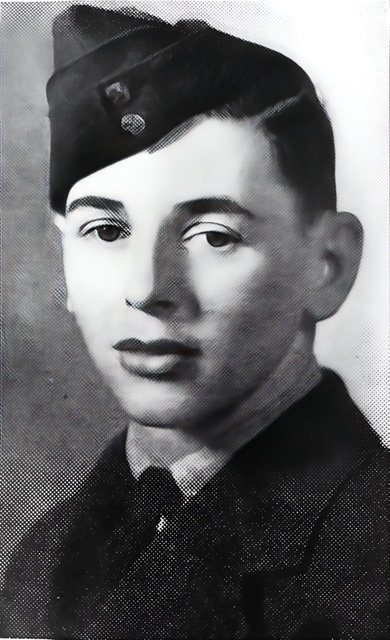
Pte. Hedley Bowan Abbott 1875-1960.
Hedley Bowen Abbott was born in South Walsingham Township on March 3, 1875 to parents Peter Abbott and Rebecca Bowen. He worked as a labourer and served on the Life Saving Station crew for 25 years. He married Jessie Overbaugh on October 16, 1895 and they had six children : Clare, Mable, Muriel, Bernice, Robert and Lorne. Hedley was partically blind in one eye since childhood. He served in the 39th Norfolk Reserve Battalion and then he enlisted for WW1 on January 11, 1916. He was sent to France in 1917, and survived 22 months there never being wounded but gassed in August 1917. He did have serious dental problems and over the course of the War he had 13 teeth extracted. He was discharged at 44 years old on March 25, 1919 in Hamilton, Ontario. Later in life, when he was 57 , her married a second time to Jane Farmer, 49, a housekeeper born in England. He buried in Port Royal Cemetery.
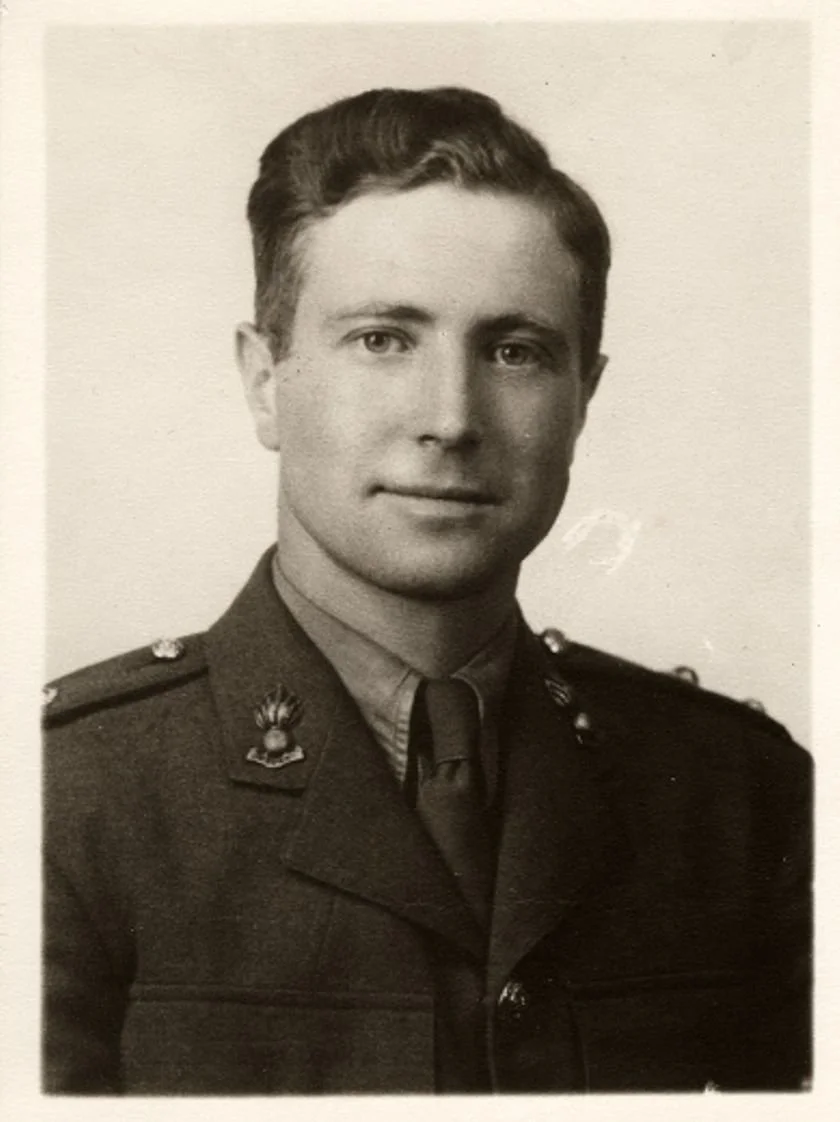
Lt. George ‘ Jiggs’ Atkinson MC 1915-1943
George ‘Jiggs’ Eaton Atkinson grew up in Port Rowan and was the son of the pharmacist and his mother was Linnie Backhouse. He went to Queen’s University studying Mining Engineering and graduated in 1939. He had an excellent job in his field in a Timmins’ gold mine, and was married with a newborn son, but decided to enlist in 1941. The MC after his name on the banner stands for Military Cross, and this is a one of the highest awards for bravery (second only to the Victoria Cross) in the British or Commonwealth militaries. He was in command of a platoon of the 4th Canadian Field Company of Engineers, part of the 26,000-strong force of Canadians who were involved in the invasion of Sicily. Their platoon was working to make a level crossing over a dry riverbed so that heavy weapons would be brought forward to support infantry. They were grading a steep bank on the dry Dittaino River under heavy daytime enemy fire when a mortar round dropped down beside him. One of his arms was severed and his other arm was mutilated. He remained conscious and refused to relinquish command until all the other casualties and the rest of his platoon were evacuated. The crossing was completed, and reinforcements and heavy equipment did cross the river. Atkinson was given a blood transfusion and although he seemed to stabilize, he died in the morning of August 4, 1943. He is buried in the Canadian Commonwealth War Grave Cemetery in Agira, Sicily. Port Rowan-South Walsingham Heritage Association
SMN Donald Preston Ayers 1932-2012
Donald Ayers was born in London, Ontario on July 13, 1932 to parents Nellie and Frank (Banker) Ayers. Don was raised in St. Williams and attended SS #7 St. Williams Public School and Simcoe Highschool. Being their big brother, he enjoyed tormenting his two sisters, Audrey and Reta. Don proudly served his country as a Seaman in the Korean War and then worked for over 30 years for the Brewer's Retail. For 58 years he was married to Beverly Thompson, also a Navy Veteran and raised four children. Beyond being "a good-looking man", Don was known for sharing his life and opinions with anyone who would listen. Donald passed away in Hamilton in 2012.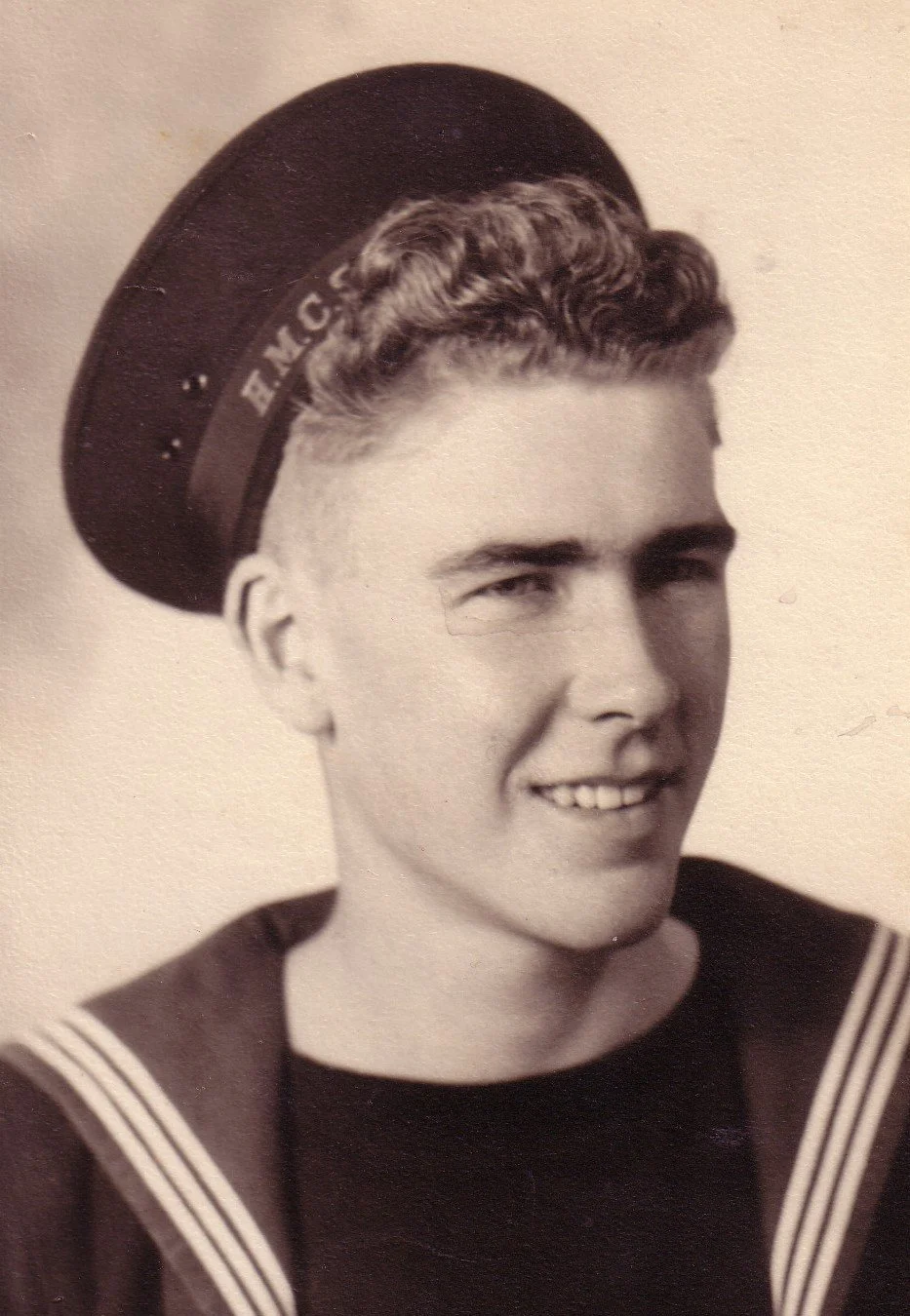
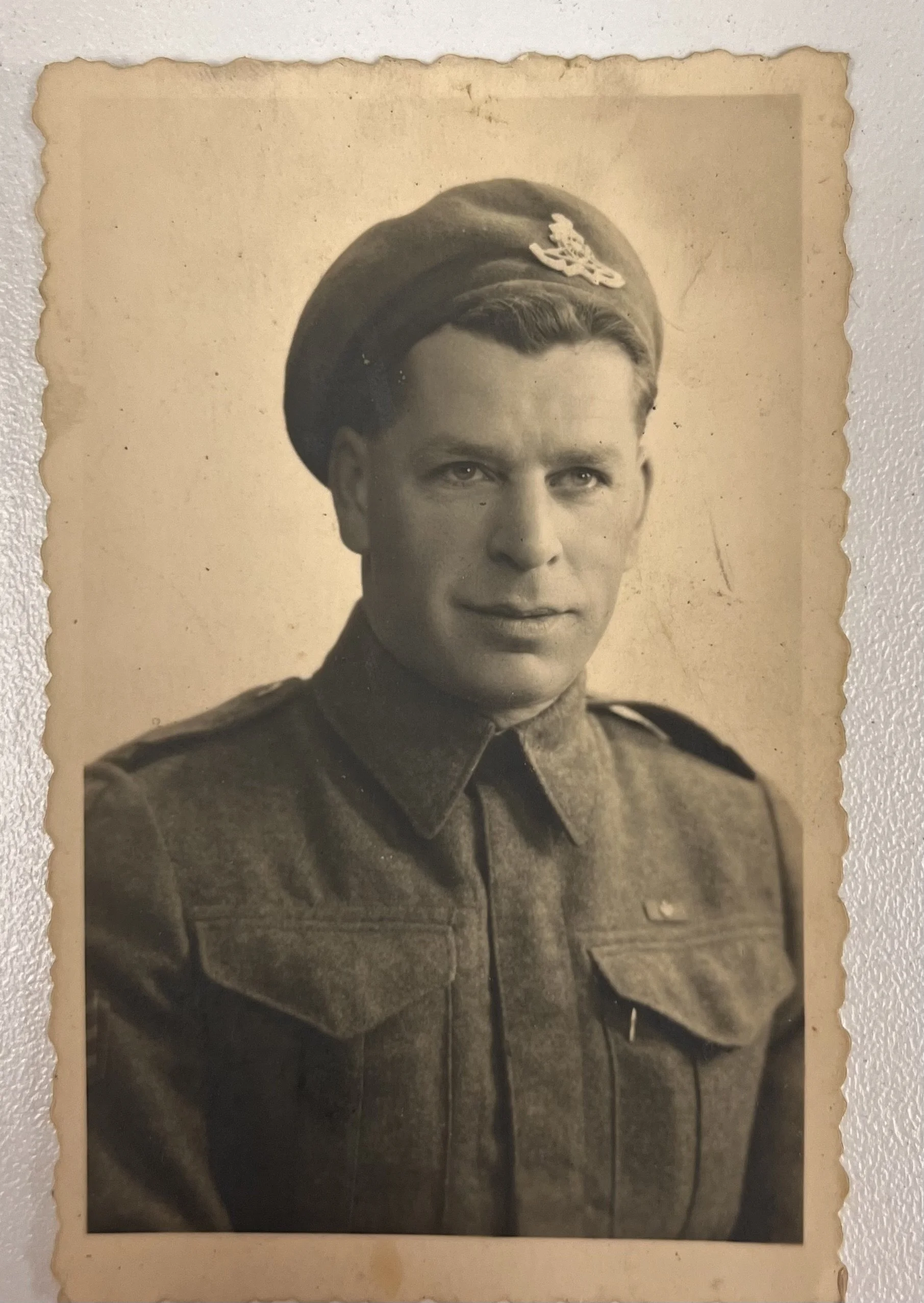
LBDR. Archie Barry 1911-1964
Archie Barry was born in 1911 and passed away in 1964. He served in the Army with the 41st Battery and was based primarily in Italy. After the war, he became the Postmaster in Port Rowan. He lived in the corner house opposite to the Liquor Store with his wife and family. His son Bill Barry was a peacekeeper in Cypress who married Ruth Price from St. Williams – they built a house on the Front Rd west of town. Archie and his brothers Arthur, Harold and Hugh all served in the Second World War, all enlisting in the Army in 1939 and all returned home. The brothers grew up in the house at the corner of Alley and Ellis Streets.
Sgt. Arthur Barry 1918-2010
Arthur Barry, the youngest of the Barry brothers, was born in May 1918 and lived to be 92 years old. He was a Lieutenant in the Royal Canadian Army, Light Anti-Aircraft Unit of the 42nd Battery until 1945. When the war ended, he moved to Woodstock to begin what was to become a distinguished career as an executive in the paint and wallpaper industry. His first wife Helen (Winfield) was the daughter of another Port Rowan WWI veteran Wilfred Winfield. Helen’s brother George Winnfield died in a flying accident in WWII. Arthur and Helen had one son, Paul. Arthur and his brothers Archie, Harold and Hugh all served in the Second World War, all enlisting in the Army in 1939 and all returned home. The brothers grew up in the house at the corner of Alley and Ellis Streets.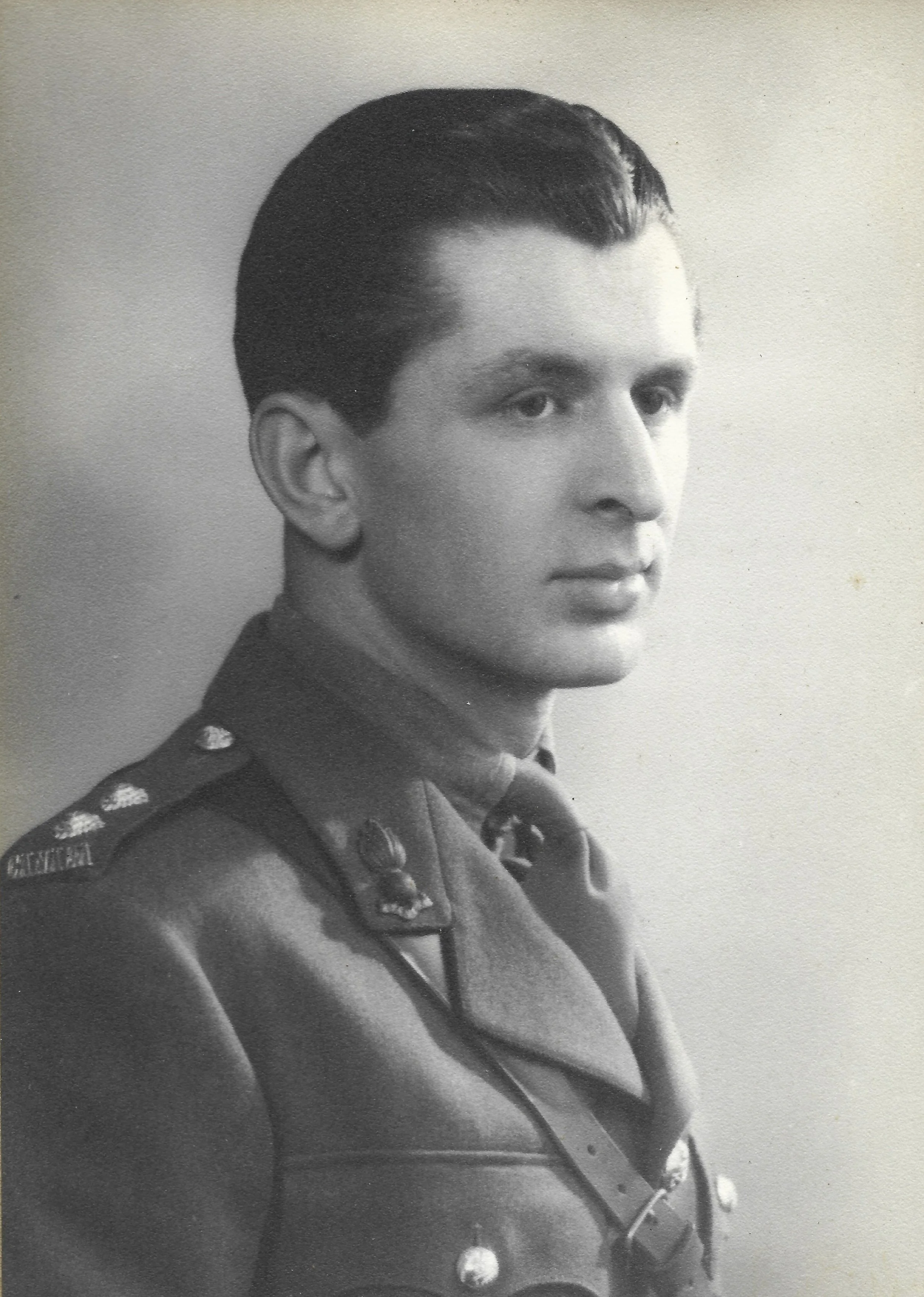
L/Cpl William ‘Bill’ Morley Barry 1938-2010
William ‘Bill’ Barry was born in April 1938 to parents Archie and Viola Barry. Bill was the brother to two sisters- Donna and Nancy. Bill enlisted in the Army in June 1954 and his initial training was as a Signal Corp Apprentice in Kingston, Ontario. After his training, he was posted to Camp Borden. On December 29, 1956, Bill was deployed to Egypt as part of the United Nations Peacekeeping Force during the Suez Crisis. Much of his time was spent in the desert as a Wireless Line and Radio and Telegraph Operator. On his return to Canada in December of 1957, he was posted to Camp Borden. Bill was released from service in June 1959 and returned to Port Rowan. In 1961, Bill married Ruth Price and had two sons-Bob and Don with two grandsons- Wyatt and Wade. Bill died in December 2010 and is buried in Bayview Cemetery. 
Lt. Harold Barry 1916-1969
Harold Barry was born in 1916 and he served in the Royal Canadian Army, Light Anti-Aircraft Unit of the 42nd Battery Harold operated a Bofors gun which was primarily an anti-aircraft machine gun. During the war, he met and married Ruth Dickinson who grew up in St. Williams and was a nurse in the war. He and Ruth settled in Woodstock and raised two children John and Patricia. Later in life, Harold loved fishing off the Port Rowan dock. Harold and his brothers Archie, Hugh and Arthur all served in the Second World War, all enlisting in the Army in 1939 and all returned home. The brothers grew up in the house at the corner of Alley and Ellis Streets.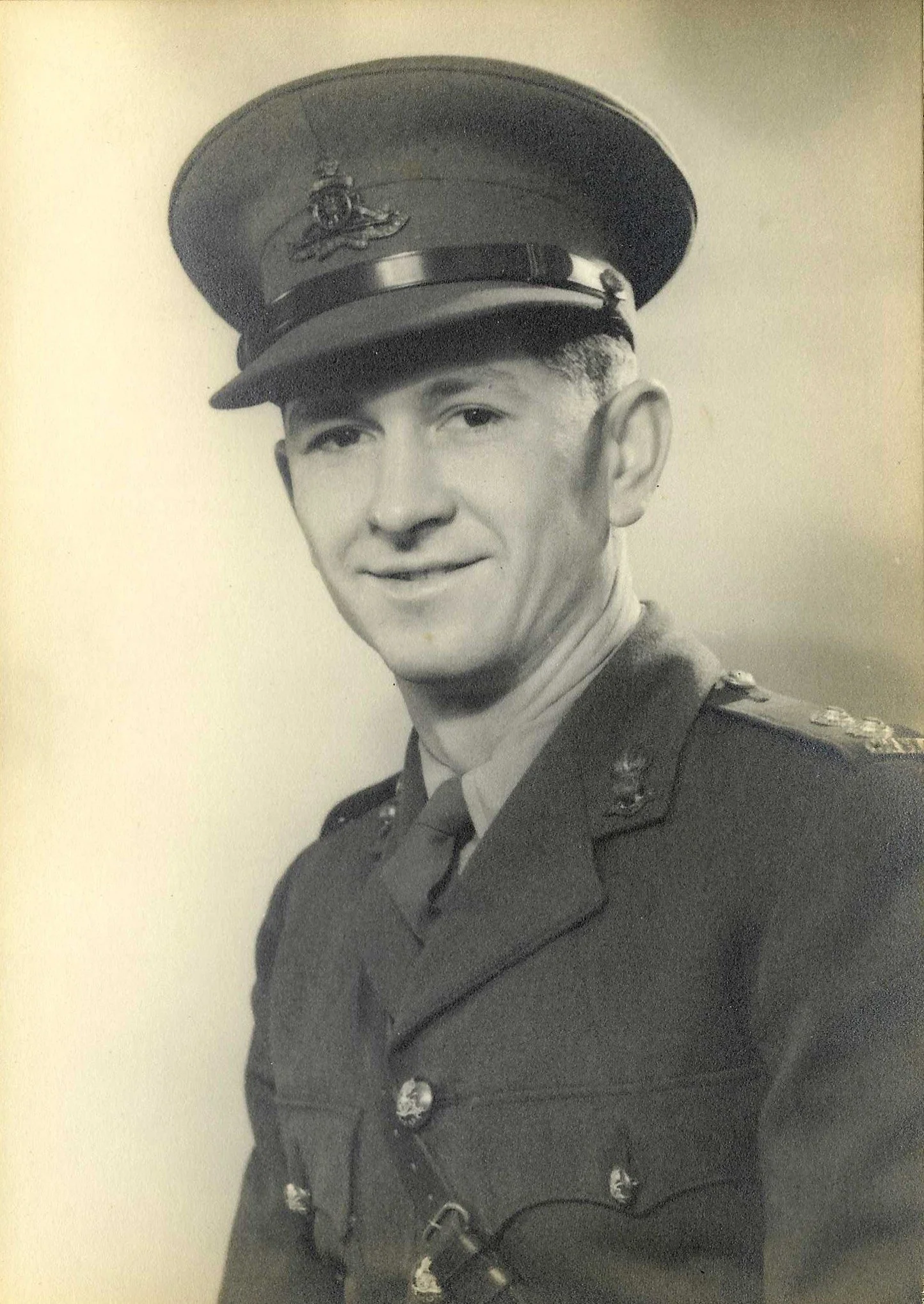
LBDR Hugh Barry 1913-1993
Hugh Barry was born in 1913 and served in the 41st Light Anti-Aircraft Battery in Italy. He fought in the Battle for Ortona which was in December 1943, and it was part of the Allied advance through Italy. It is considered one of the toughest battles of the war, and it took over a month; first at the Moro River outside Ortona, then with vicious street fighting in the town. There were more than 2,300 Canadian casualties, but eventually Ortona was won for the Allies, and the Germans were pushed further up Italy. Of the Barry brothers, Hugh was perhaps most affected by his experiences during WWII. He never married and had no children. He lived in Brantford and worked in a sandpaper factory. He died in 1993.Hugh and his brothers Archie, Harold and Arthur all served in the Second World War, all enlisting in the Army in 1939 and all returned home. The brothers grew up in the house at the corner of Alley and Ellis Streets.
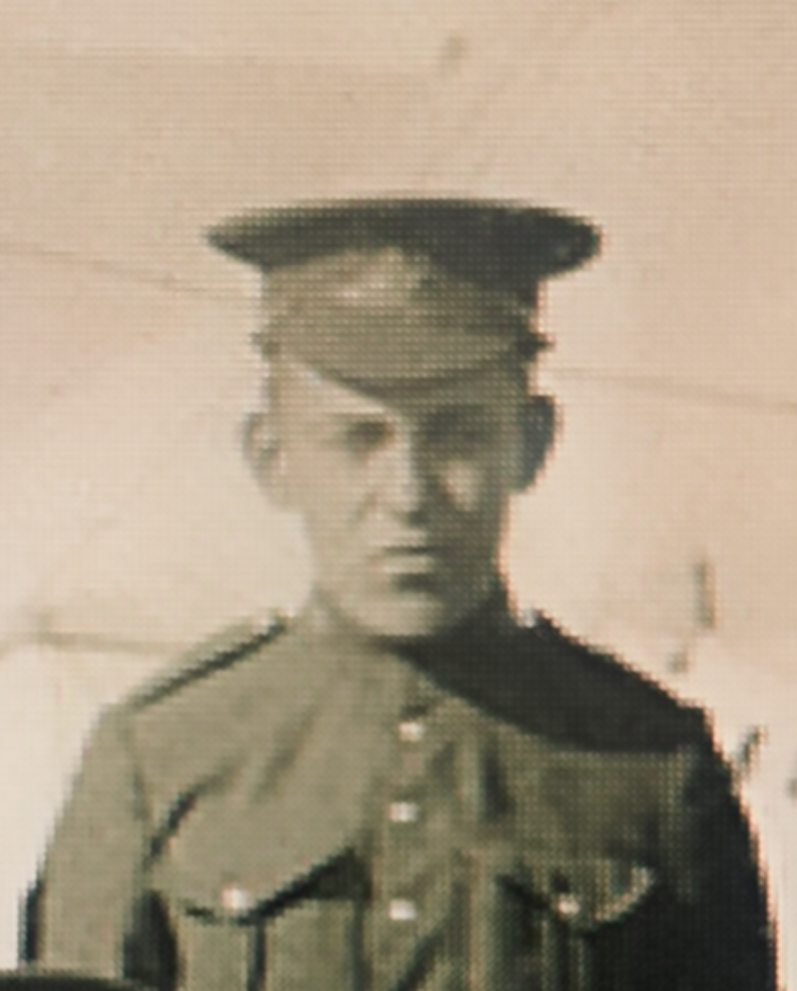
Parks Becker grew up in Houghton Township, but he was a fisherman and trapper based in Port Rowan for most of his life. He served in the reserves and then enlisted in the 133rd – Norfolk’s Own – the Battalion was formed and trained in Norfolk County in response to the First World War. He was in France from January 1917 to April 1918 where he experienced all the terrible conditions and trench warfare that was characteristic of the First World War. He was at the Battles of Vimy, La Coulette, Lens, Passchendaele and Arras. He was shot in the leg in April 1918 and recovered in hospital in Brighton, England. That wound healed well, but his knee, which he injured jumping into a shell hole, bothered him throughout his life. All the time he was away in the First World War, he assigned his pay, which was $15 a month to Annie Mae Smith who was his cousin and also a single mother living on Ellis Street. After the War, Parks worked as a seine net fisherman (his ground was below the lookout area further down Wolven St.) and he also he trapped muskrats in the marsh below this bank. He was famous for making Dougler Stew (a dougler is a carp) in the cooling reservoir of the make-and-break engine that he used to drive the Becker Puller that he used to haul in his nets. He ran a boat called the Ishua, and because of the War he always walked with a limp. He was very well-liked by all the kids in town because he liked playing tricks on them – like pulling coins from behind their ears.
Pte. Parks Becker 1885-1952
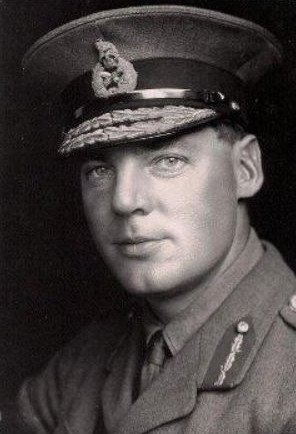
Major General Cyril Blacklock 1880-1936
Major General Cyril Blacklock was a Port Rowan resident at the end of his life. He lived on Wolven Street and the Port Rowan Legion is named after him. He is buried in Knowles Cemetery in Walsingham Township. He was born near Banbury in southeast England and was educated at Eton College (same school as Prince William, Prince Harry and Boris Johnson). He was a Lieutenant in the Boer War in South Africa in 1901 and 1902. After that, he emigrated to Canada where he met and married Rowena Kathleen Vincent in 1913. His wife was born in Bracebridge and in 1914 they had a daughter named Betty. When WW1 broke out in August of 1914, Blacklock immediately decided to rejoin the British Army. He travelled back to England and rejoined his Boer War Unit. Over the course of the First World War, Blacklock was promoted five times eventually ending up as a Major-General in charge of a Division of the Army which would have had as many as 18,000 men. He was mentioned in dispatches numerous times. He received the Distinguished Service Order (DSO) in June 1916, and a bar was added later that year. On the first of Jan 1918, Blacklock was invested as a Companion of the Order of St Michael and St George. A year later, he was invested as a Companion of the Order of the Bath and was awarded the Croix de Guerre by the French in August 1919. Blacklock retired from the British Army in 1920 and returned to Canada. In 1924, the family moved to Port Rowan purchasing Judge Mabee’s house on Wolven Street. He died in hospital in Simcoe in 1936 due to complications following appendix surgery. His daughter Betty who suffered from tuberculous died in 1948 and was liked very much by the people of Port Rowan.
F/Sgt James M. Broddy 1916-1942
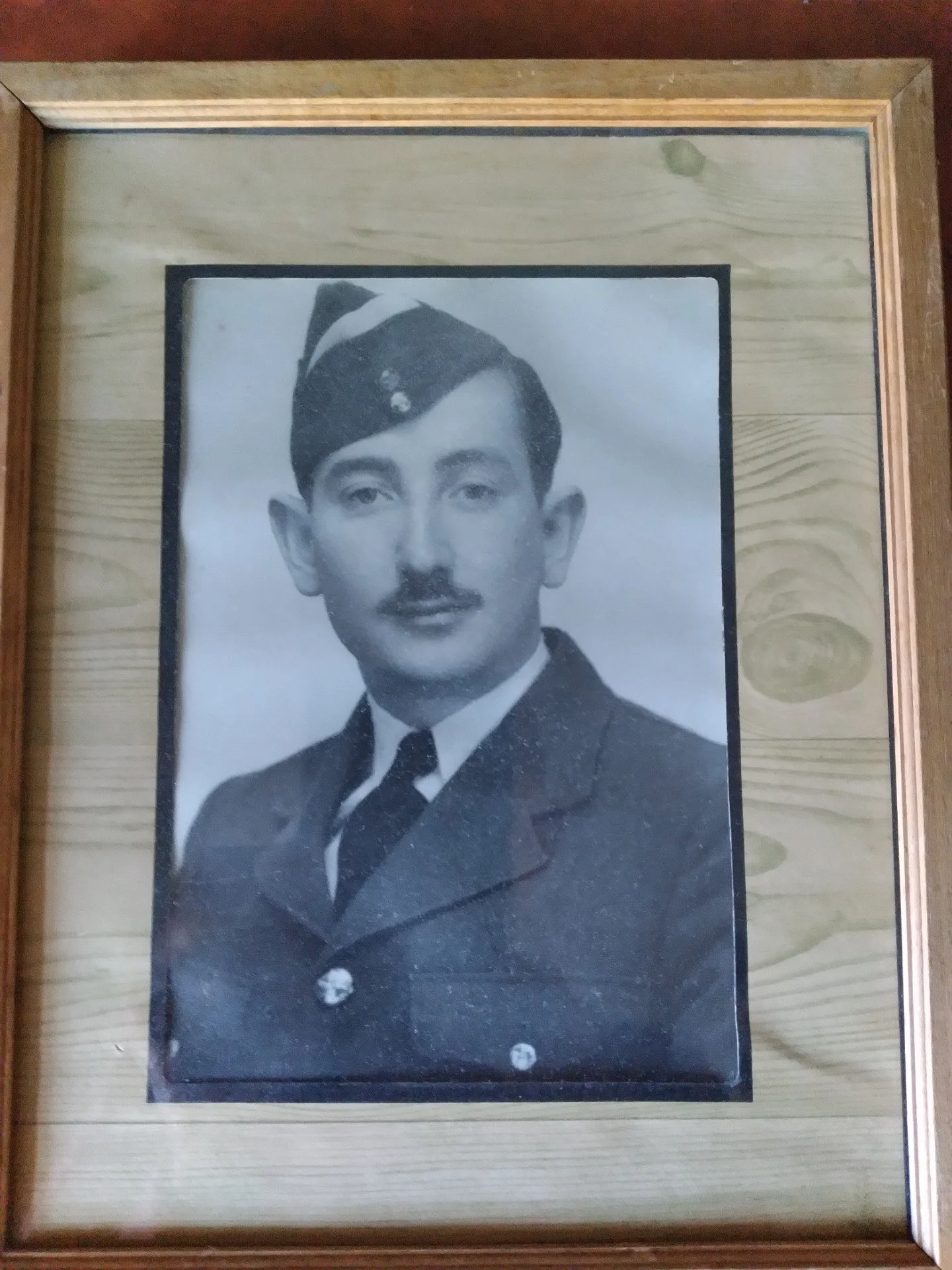
James Morley Broddy was born on June 1, 1916 and grew up in Port Rowan. He was the eldest son of the local physician, Dr. William Alexander Broddy, and Ethel Pearl Loree (who had been adopted by the Buck family when she was a young girl). James grew up in a brick house on the Main St. (now Bay St.) that had a side entrance for his father’s office. After attending public and high school in Port Rowan, he took a course in Hamilton for refrigeration and air conditioning. His real interest, however was in photography, and for 6 months in 1939, he worked with J.E. Evans who had a postcard and printing business in Walsingham. He enlisted in the Second World War on July 2, 1940, and then in March 1941, he married Ruth Beatrice Keirle. A few months later he was sent to England and was assigned to the 405 Squadron as a Wireless Air Gunner. His armament training course assessment said he was, “Reliable and uses his head, should make a very good Air Gunner.” 405 was a heavy bomber squadron jointly run and staffed by the British and Canadian Air Force and was tasked with making bombing runs over Germany targeting their railway and factory infrastructure. On March 10, 1942, flying out of Pocklington, in the north of England, Broddy’s British-made Vickers Wellington airplane was assigned the task of destroying railway lines near a factory that manufactured artillery, tanks, and U-boats for the German military. Unfortunately, his plane never made it back to England and was lost without a trace. Incredibly, a total of 801 Canadians serving in the 405 squadron lost their lives in WWII.
William (Bill) Alexander Broddy was born in 1919, in Port Rowan. He was the youngest son of the local doctor and his wife. Dr. Broddy practiced medicine out of an office in his house on Main St. and Mrs. Broddy was an active member of the town, serving on the executive of the Port Rowan Women’s Institute, teaching music lessons and leading the church junior choir at Neal Memorial United Church. They had two sons who both joined the Royal Canadian Air Force in WWII. Their eldest son, James Broddy, was sadly killed on a bombing run over Germany, but Bill, who became a pilot, spent five years in the RCAF and made it home. During the War, he met Elna Turnlund, a young woman who was born in Eidsvold, Norway, in 1921. Elna became a War Bride to Bill on Christmas Day (December 25),1941. After his discharge in 1945, Bill studied to be an accountant and then worked for Canada Packers for 38 years. They had two daughters, Caryl and Jennifer, and a son, Rick. During retirement, Bill enjoyed woodworking and traveling with his wife. They often visited Norway, England and France, but he enjoyed his trips to the Maritimes best, especially Cape Breton, Prince Edward Island and Lunenberg, Nova Scotia. He passed away on January 11, 2002, at the home of his daughter in Victoria, B.C. William A. Broddy 1919-2002
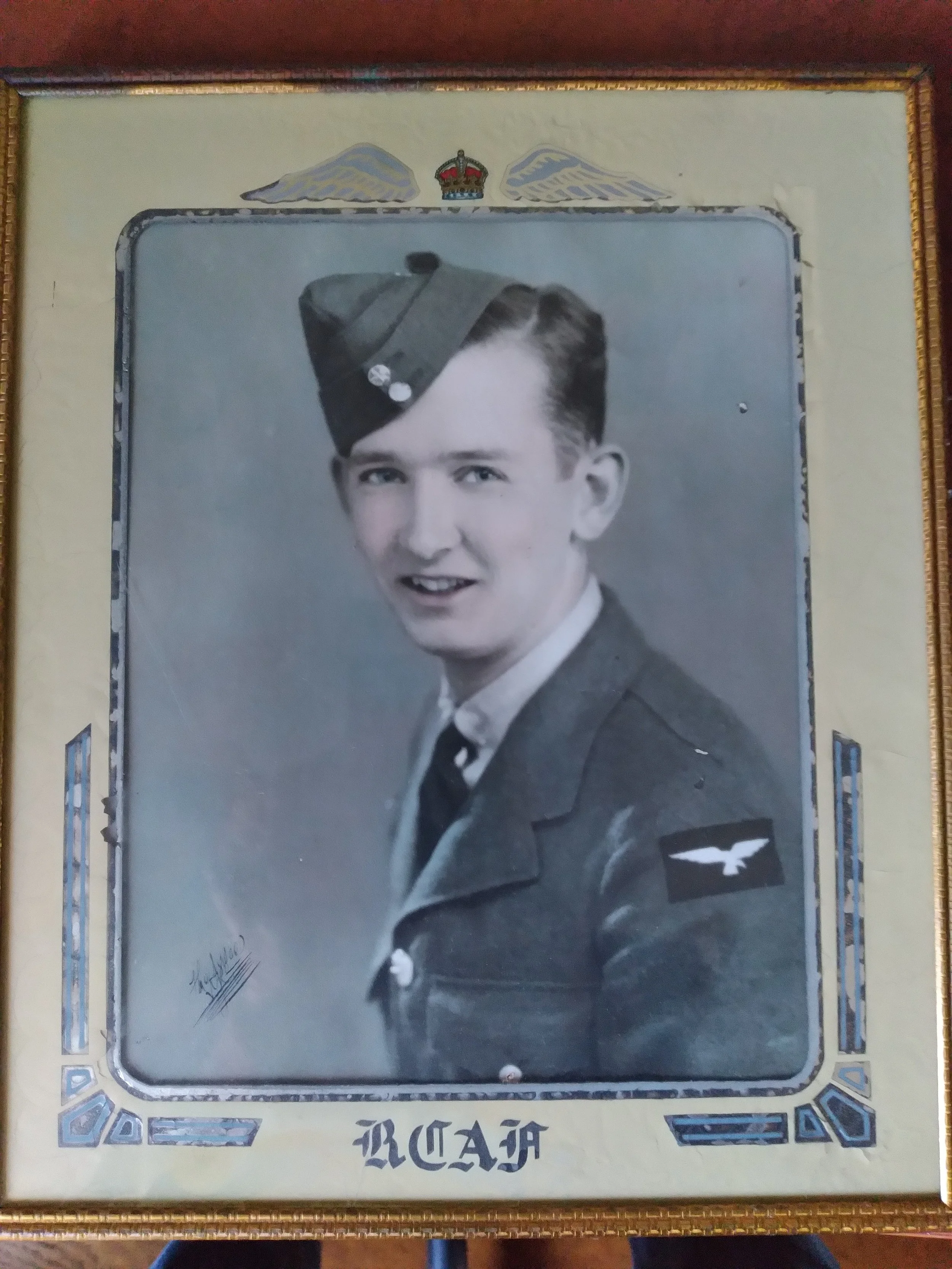
LAW Betty Pegg Brown 1923-2016
Betty was born and raised in Clear Creek and married Leighton Brown in 1946. Her brother Robert ‘Bob’ Pegg was killed in WWII, and her two paternal uncles served in WWI – and only one of them came home. Her father Vern Pegg served in the Airforce Police Service during WWII. Betty was a Leading Aircraft Woman radio operator in the Women’s Division of the Royal Canadian Air Force. She received morse code messages in Newfoundland during WWII; receiving and transcribing the message that announced the end of WWII on September 2, 1945. After the War, she helped run the store in Clear Creek, cooked meals at the Lee Brown Marsh, and ran the Nifty Gift & Thrift store in Port Rowan. She and Leighton Brown raised their children, Linda, Brad, Kim, Paul and a foster son Bob MacLeod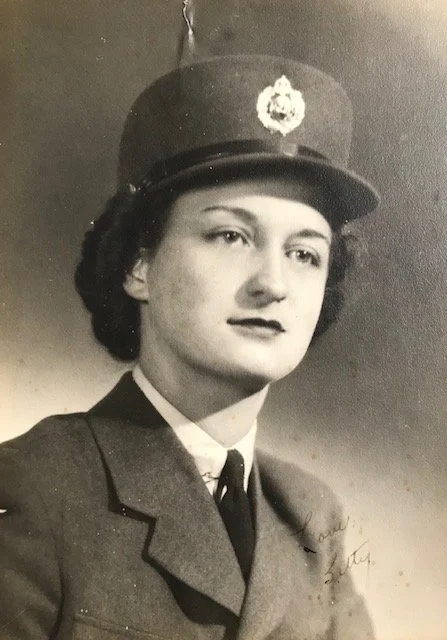
LACW Georgina Rayson Brown 1919-2006
Georgina Rayson or ‘Georgie’ as she was known, married Lenore Brown’s brother Howard Brown when they were both serving in England in WWII. She was born in 1919 and raised in England. Georgie was an aircraft mechanic – with the rank of Leading Aircraft Woman in the Women’s Auxiliary Air Force. This women’s branch of the Air Force was formed in 1939 and by 1945 there were a ¼ million women serving in over 110 different trades. These women were supporting operations around the world. Georgie was a spark plug tester on Spitfire airplanes. After the war ended, she and Howard settled in Port Rowan living in half of the duplex that is on Ethel Ferris St. beside what was the Beer Store. She was well-liked in town and worked as the Manager of Cline’s Bakery in Port Rowan where the Charisma Salon is located. She died in 2006.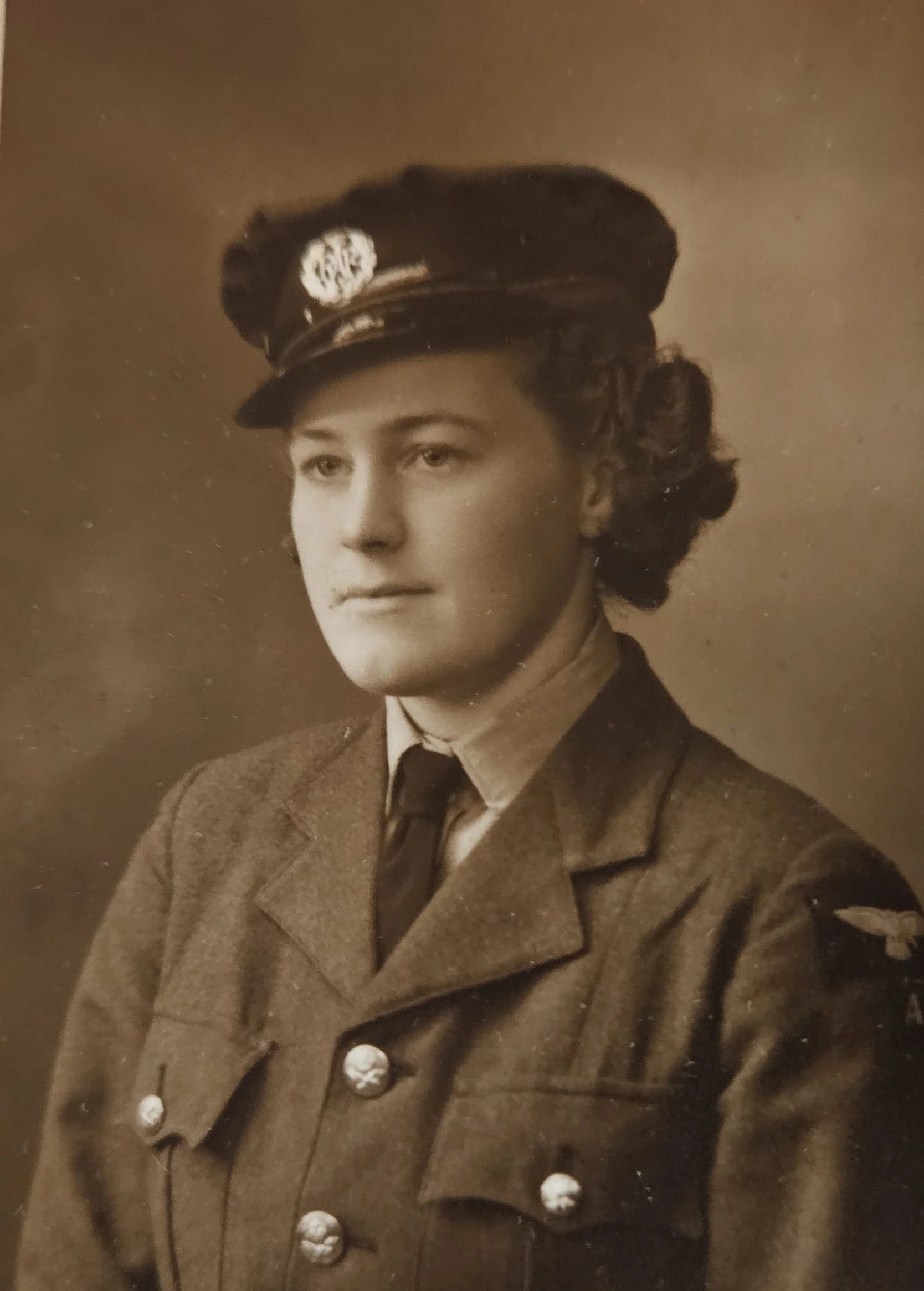
Sgt. Leighton Brown 1920-2013
Leighton was born in 1920, to Blake Brown (a WWI Veteran) and Mary Godson. Leighton grew up on a farm in Port Royal and served as a Gunner and Sergeant in WWII with the 42nd Anti-Tank Regiment pushing the Germans back through France and Holland after D-Day. After the War, in 1946, he married Betty Pegg and they ran the store in Clear Creek. Leighton was a commercial fisherman, duck hunter and guide – renting hides on Long Point and running three charter fishing-party boats out of Port Rowan Harbour. He was also a founding member of the Port Rowan Fishermen’s Coop, Past-President of the Port Rowan Legion and the Manager of the Lee Brown Marsh.
Pte. Lorne Brown 1890-1960
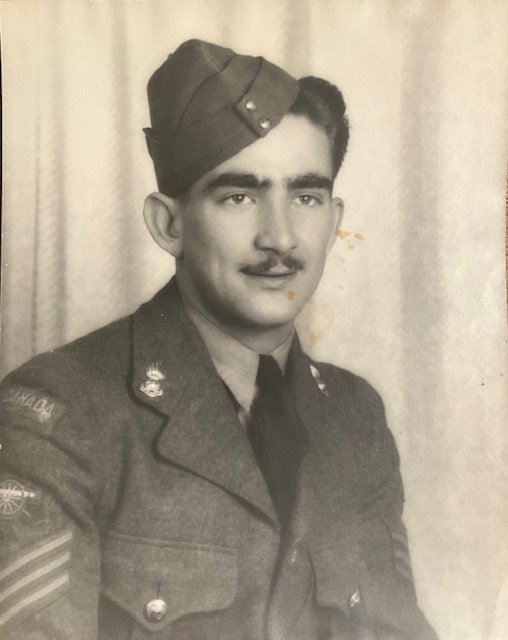
Lorne Brown was born in Port Rowan and was the son of Emerson Brown and Isabella (Smith) Brown. He joined the 133rd in Norfolk County and arrived in France on April 11, 1917. He fought with the 29th Infantry Battalion during the Arras Campaign from April to June 1917, and then on June 10th he said he had ‘pain in his legs.’ Three days later he could not stand without assistance and was taken to hospital. He was listed as ‘dangerously ill’ with paralysis in his hips, legs, arms and face probably as a result of being gassed. He could not hold a pencil to write his name. He was transferred to the Canadian Convalescent Hospital at Bear Wood in Walsingham, England which was located in a mansion of a house. After six months, he eventually recovered and was discharged from hospital in January 1918. He continued to serve until he broke his hand, and then in December 1918 he sailed for home on the troop ship Olympic. He arrived home in Port Rowan, to his wife Annie and their young son, on December 19, 1918. What a Christmas present that would have been! Lorne had two other brothers in the First World War, Blake Brown and Oscar “Tang” Brown. All three returned home. Lorne worked at the Life Saving Station on Long Point and then in 1928 started working as the Keeper of the Light House on the end of the Point. Annie and Lorne worked at the lighthouse for more than 25 years. Their son, Teddy Brown, lost his life in the Second World War. Lorne died in September 1960 and is buried in Bayview Cemetery beside Annie.
Sgt. Lorne Edwin ‘Ted’ Brown 1919-1941
Lorne Edwin ‘Ted’ Brown was born on November 15, 1919, the second of seven children of Lorne and Annie (nee Walpole) Brown. Ted grew up on Ellis St. in Port Rowan. He trained in Kingston before joining the RCAF and was a Sergeant by the time he was 21 years old. Ted served with the 76th Squadron as a Wireless Operator and Gunner flying Halifax Bombers over Germany. He was dating a local Port Rowan girl, Mildred Blyth, to whom he wrote in July 1941, “Operations loom closely now. I have 7 days leave and then…well for some sudden death, some for glory and some just to return home to peace, loved ones and quiet.” Three weeks later, on August 13, 1941, his plane stalled on its final approach for landing in Darlington, England, and burst into flames on impact. Everyone on board was killed. An examination of the wreckage indicated the plane had been badly battle damaged after a bombing raid over Germany. Ted was awarded posthumously the Operational Wings of RCAF. Ted is buried in Wrentham Cemetery in Suffolk, England. 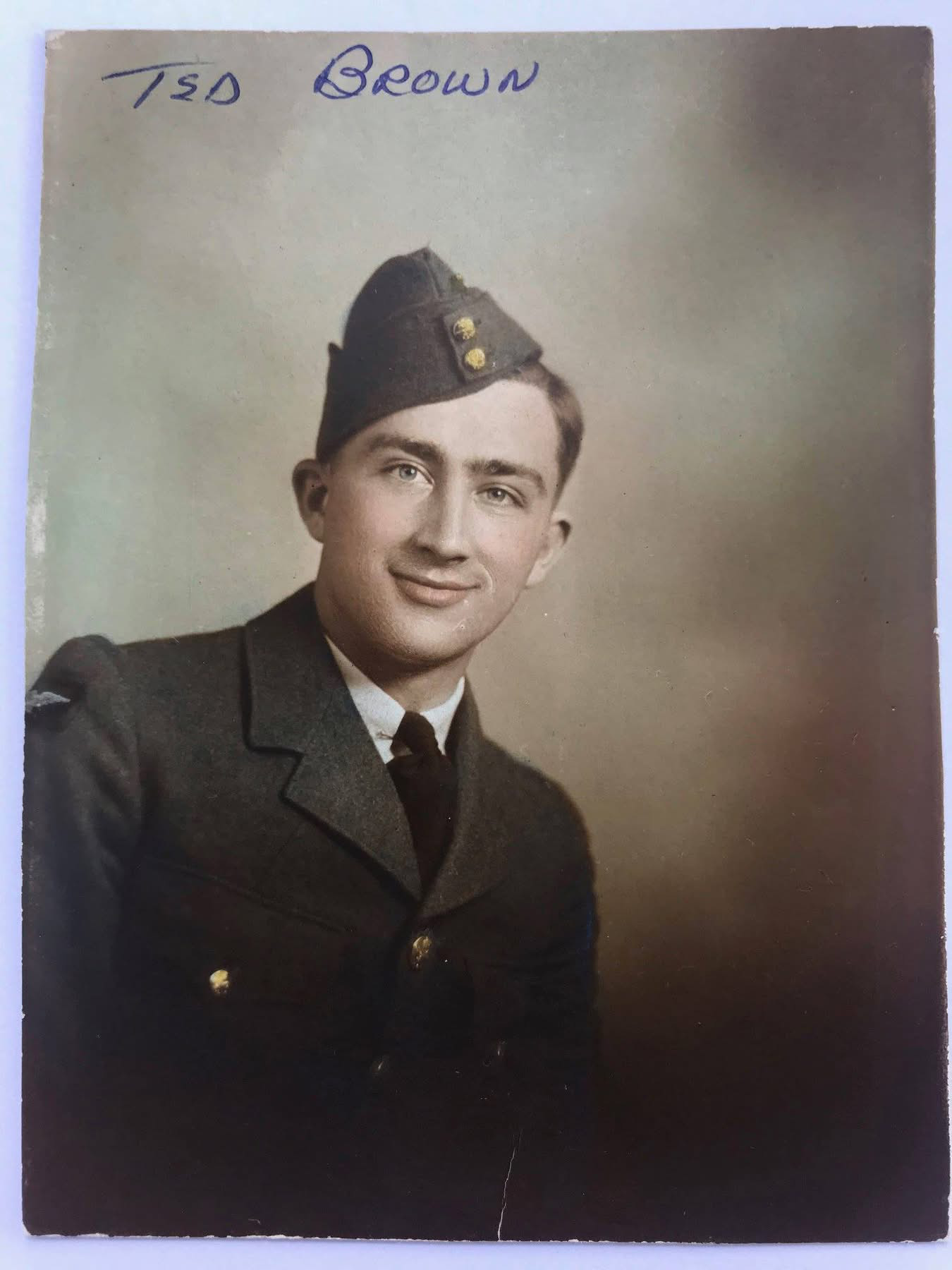
Pte. Oscar Tang” Brown 1894-1963
Oscar Brown was born in Port Rowan on December 8, 1894. He was the son of Emerson Brown and Isabella Smith. He served in the local militia (39th Battalion) and so when war was declared he joined the 133rd Battalion. By the time he got to France in March 1917, he was serving with the 123rd Battalion which were Engineers & Pioneers originally mustered in Toronto. Their work was incredibly dangerous even by WW1 standards. Oscar’s job would have been to work out in front of the Front Line troops fixing and installing barbed wire, improving fortifications and dugouts, and generally facilitating the movement of troops and supplies over plank roads, bridges and by whatever means possible. The 123rd suffered many casualties because their work was so exposed. Oscar not only survived two years of this (making it through the battles of Vimy, Hill 70, Ypres, and Passchendaele) but was awarded a Good Conduct Badge at the end of it all. Over Christmas 1917, he had a two week break in Avignon in the south of France. He was never wounded but he did spend time in hospital with impetigo a highly contagious bacterial skin infection causing painful blisters that plagued many soldiers. He came home to Port Rowan in 1918 and was known locally by his nick name “Tang” Brown. During WWII he served in the Vet Guard guarding mostly German soldiers and sailors in Prisoner of War camps. He died on May 4, 1963.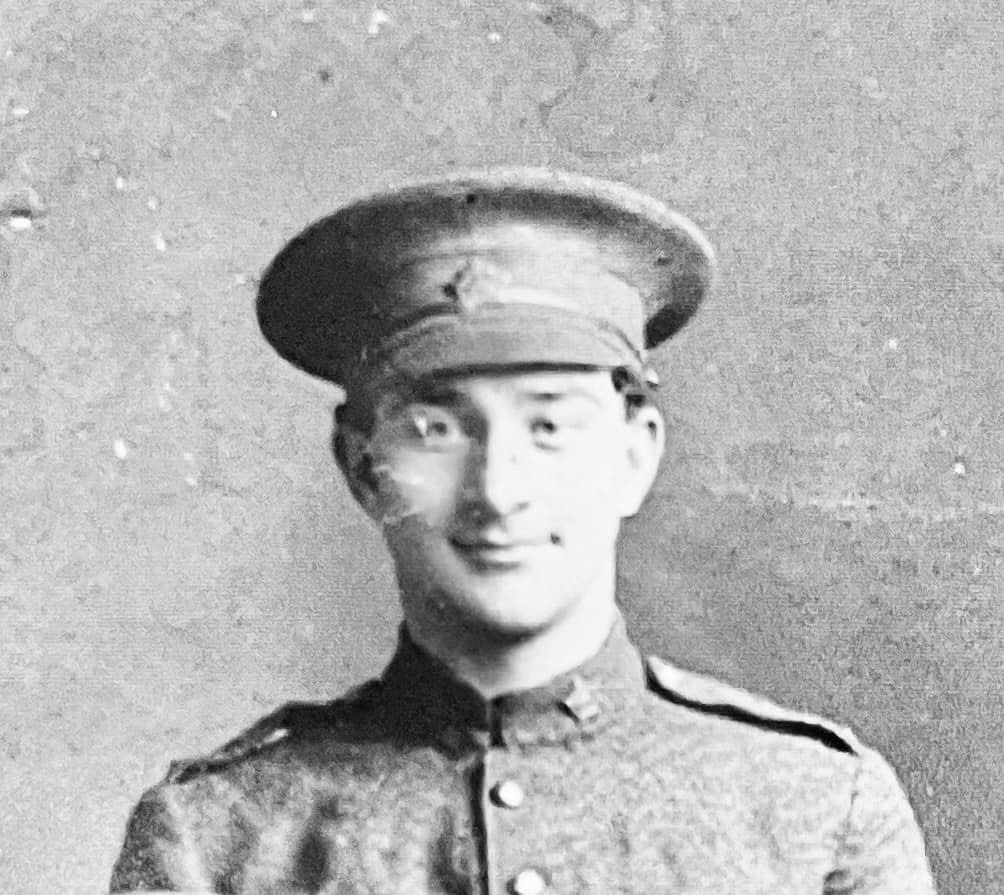
Col. Harold Buck 1889-1950
Dr. Harold Buck was born on January 14, 1889, in Port Rowan, Ontario, to John Lampman Buck, a prominent Port Rowan lawyer, and Rhoda Buck (nee Misener). He attended medical school at the University of Toronto and graduated in 1910. He served overseas in the Medical Corps during the First World War, where he presumably met his wife, Helen (pictured above.) Helen Elsie Buck (nee Passavant) was born in England in 1898 and married Harold on June 22, 1920. She immigrated to Canada a month later, on July 19, 1920. At this time, Harold and Helen settled in St. Thomas, and Harold opened a medical practice at 488 Talbot Street. They purchased 3 Drake Street in 1925. During the Second World War, Harold re-entered military service. He was the Chief Instructor at the Royal Canadian Army Medical Corps at the Ottawa Training Centre, and later was in command of the Rideau Military Hospital. In 1944, he was transferred to London, England, as a Senior Medical Officer. After the War, he resumed his medical practice in St. Thomas. Harold died on March 18, 1950. Helen continued to live at 3 Drake Street until about 1986. She died at in 1997. Harold and Helen are both buried at the Old St. Thomas Church Cemetery. 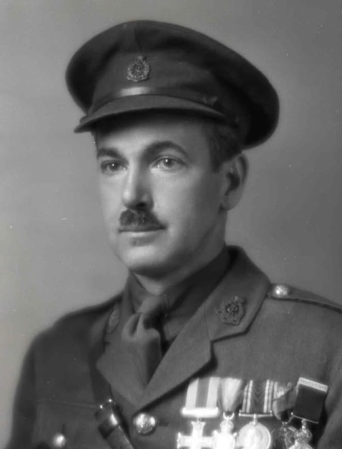
Pte. John ‘Jack’ Thomas Carnahan 1892-1917
Private John ‘Jack’ Thomas Carnahan was born on August 14, 1892 in Carholme, Norfolk County to parents John and Margaret Carnahan.  John “Jack” married Flossie Leota Moulton on March 26, 1913, in Port Rowan, Ontario. At the time of his enlistment on February 10, 1916, he was a farmer living in St. Williams. Jack was a member of the Royal Quebec Regiment, 14th Battalion. On one of the many postcards that he sent home, he wrote to his nephew Jack in December 1916
Dear Jack
Just a line to let you know that the Germans have not got me yet but I have a pretty hard pull to get out of the mud sometimes.  Good-bye for this time.  Be a good boy and take good care of the horses till I come home.  From your Uncle Jack.
John ‘Jack’ died on April 9, 1917 at the Battle of Vimy Ridge at age 24.  He is buried in Nine Elms Military Cemetery, Pas de Calais, France along with local Veterans Harold Nethercott, John Crerar and the West brothers.  Jack Carnahan is named on the St. Williams Cenotaph among those who served in the War.
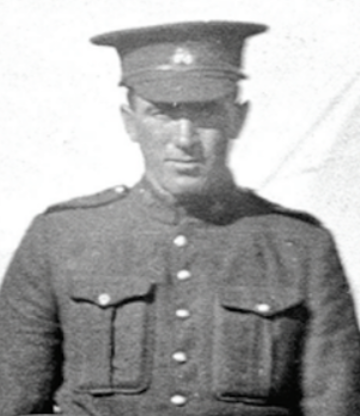
GNR Cyril Cook 1907-1974
Cyril Cook was born in Yorkshire, England, in 1907, but came to Port Rowan when he was a young man. He did various jobs including working as a farm hand or as a painter, but he was also a fisherman. During WWII, he served in the Italian Campaign as a gunner in the Royal Canadian Artillery. More than 93,000 Canadians saw action in Italy from 1943 to 1945. His wife Bessie MacDonald was a hairdresser. He lived in the house where Ellen Biddle’s house is now. He is buried in Bayview Cemetery with a military headstone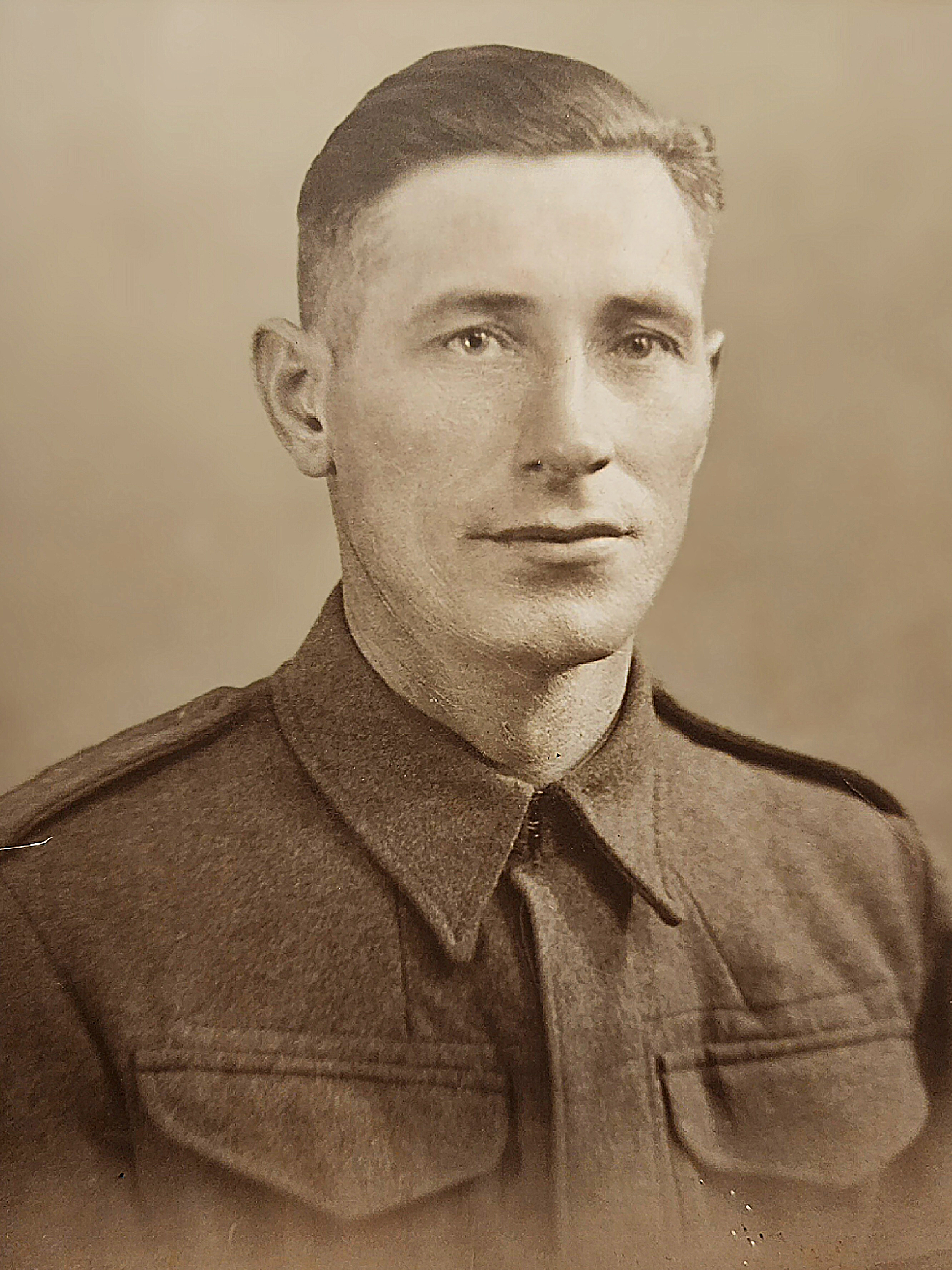
Pte. John Stewart Crerar 1886-1917
John Stewart Crerar was the 29-year-old, 6' tall, Port Rowan High School Principal when he enlisted in the First World War on May 20, 1916. He had been born on his parent’s farm in Perth County to Donald & Jessie Crerar. He may have been dating a Delhi woman named Margaret S. Cameron as he requested in his Army file that she be informed about his death - listing her as his 'friend'. Initially serving with the 133rd Battalion, Norfolk's Own, he sailed to England on the S.S. Lapland leaving on November 11, 1916. Once there, he was transferred to the 14th Battalion and by December 1916, he was in France. He was killed on April 9, 1917, at the Battle of Vimy Ridge. This is a very famous day for Canadians during the First World War because the Canadian Forces took Vimy Ridge from the Germans in a well planned and executed battle, after the British and French forces had previously tried and failed. The Battle of Vimy Ridge was a great success, but it came at a heavy cost. About a 100,000 Canadians fought there and there were more than 10,600 casualties - 3,598 of these were fatal. John Stewart Crerar was killed on April 9, 1917, the costliest day in Canadian military history. John is buried in Nine Elms Military Cemetery, France.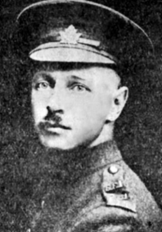
FLT LT Hugh Pierce Cronk 1916-2002
Hugh Cronk was born in 1916 and was the son of Ethel Pierce and Bill Cronk who had both grown up in families that ran stores on the Main St. Hugh enlisted in the Second World War on the same day in 1940 as his younger brother Walt and their friend George Atkinson. During the war, he was a fighter pilot in the Royal Canadian Airforce. He flew planes (including hurricanes and spitfires) mostly on long range flights from Bengal, India (now Bangladesh) over the mountains on raids over the Japanese in Burma. After the war, Hugh ran a menswear shop – the last store on the west side of Mainstreet (the new mural is painted on its outside wall). Hugh, with his wife was Betty and with their daughter Cathy, lived in the house just west of the Anglican Church. Hugh died in 2002.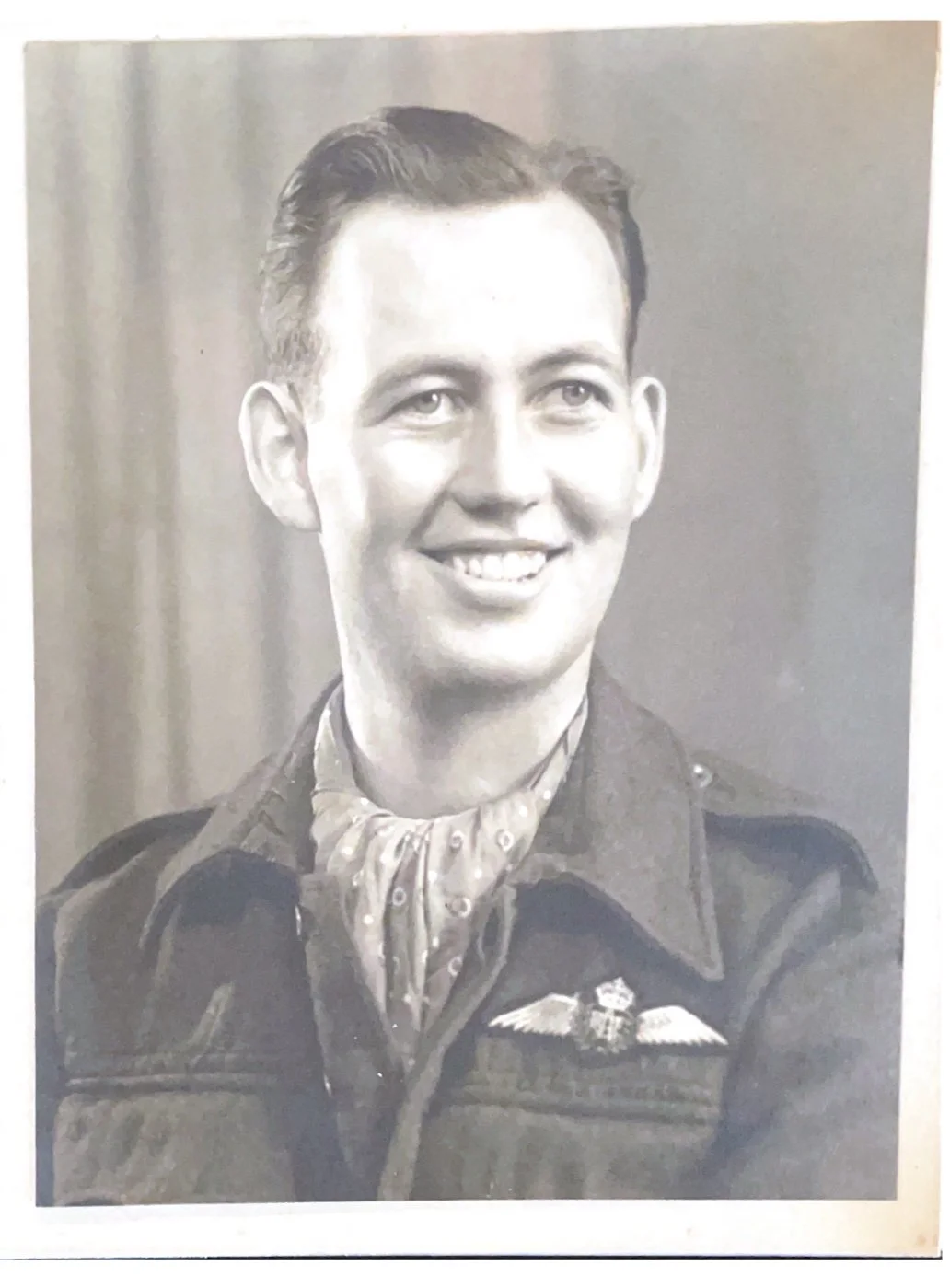
Walter Mowat Cronk 1917-1985
Walter Cronk was born in 1917 and was the son of Ethel Pierce and J.W. Cronk. Walt, along with his brother Hugh and George Atkinson all enlisted in WWII on the same day. During WWII, he was a RCAF Pilot that trained pilots in Manitoba. Ruby, Leight, Hugh, Walter and Laura grew up in the large brick house two doors down from the Post Office. He later married Dorothy Brown and raised his family of six in the same house. He ran a store on Main Street in part of what is now the pharmacy. Although his insurance business was in Vittoria, he gave back to the Port Rowan community his entire life. Walt was the Reeve of Port Rowan in the 1950’s and Justice of the Peace from the 1960’s until his death in 1985. Contributing to local charities was his lifelong priority. Walt is buried in Bayview Cemetery, Port Rowan, Ontario. 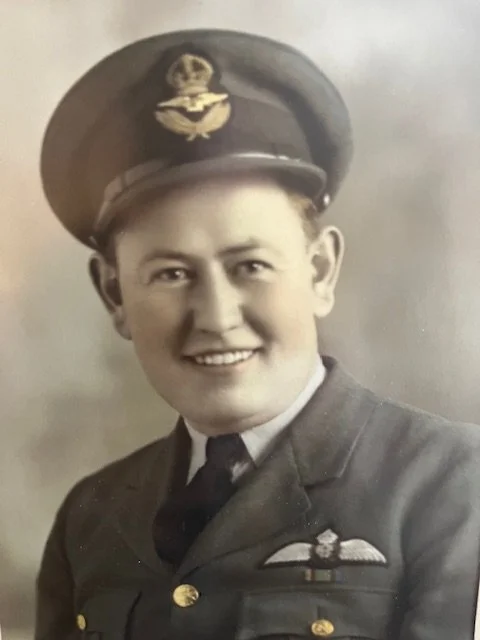
Pte. Alfred Daw 1896-1917
Alfred Daw was born in Middlesex, England on November 21, 1896 to parents Francis Daw and Susanna Tew. After the death of his father in 1902 and his mother in 1905, he was placed in the care of Dr. Bernardo’s Orphanage. In October 1906, Alfred and his brother Henry were sent to Canada as British Home Children arriving in Montreal. Alfred was sent to Forestville, Ontario and his brother Henry to Inkerman, Ontario. At the time of his enlistment on December 15, 1915 with the 133rd, he was living in Forestville, Ontario, working as a farm labourer and single. Alfred was sent overseas on November 12, 1916. He was a part of the 1st Canadian Motor Machine Gun Brigade. Private Alfred Daw was instantly killed on November 10, 1917 from a direct hit from an enemy high explosive shell during an attack at The Battle of Passchendaele. Alfred was laid to rest at the Passchendaele New British Cemetery, Belgium. Alfred Daw was 21 years old.
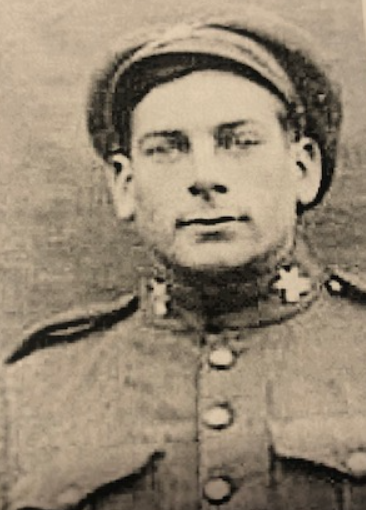
LT Ruth Dickinson 1918-2010
Ruth Dickinson was a nursing sister who did her training in Hamilton. She grew up in one of the houses that are across from Biddle’s Marine on the Front Road near St. Williams. She met and married Harold Barry who grew up in Port Rowan and was a gunner in the war. During WWII, she was stationed at Basingstoke Neurological and Plastic Surgery Hospital at Hackwood Park. This hospital was on the grounds of an elaborate estate owned by Lord Camrose in the countryside, south-west of London. In 1940, Lord Camrose gave Hackwood House to the Royal Canadian Army as a hospital, free of payment. 16,500 Canadian troops were treated there.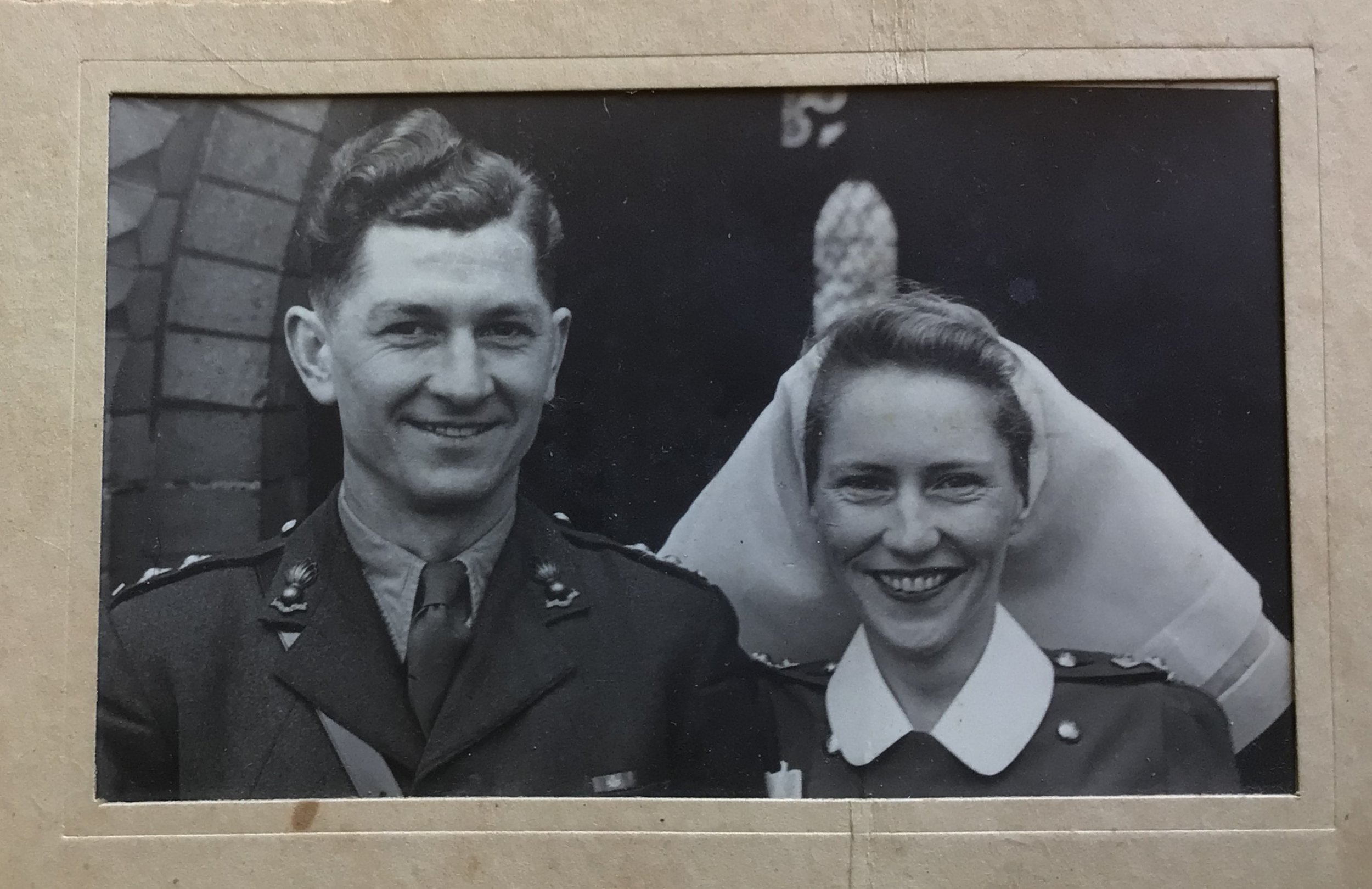
Pte. Curtis Roy Feere 1899-1918
Curtis Roy Feere was born on April 10, 1899 in South Walsingham, Ontario to parents George Henry Feere and Ellen Elizabeth Crandall. He was one of twelve children. Roy’s mother died when he was six years old and his father died when he was 12 years old. At the time of his enlistment, he was living with Mr. and Mrs. James Smale of Simcoe. He listed his older brother James Edward Feere from Port Rowan, Ontario as his next-of-kin and farmer as his occupation. Roy, as many young men did, lied about his age on the Attestation Paper when enlisting with Norfolk’s 133rd Battalion. He was only 16 years old. While overseas, he served with the 23rd and 12th Battalions. He was treated for the infectious disease mumps and returned from leave to join the 4th Battalion. He was seriously wounded at the Battle of Amiens and died on August 8, 1918 at the age of 19. Roy is buried in the Caix British Cemetery, Comme, France. Curtis Roy Feere is listed on the Carillion Tower in Simcoe, Ontario.
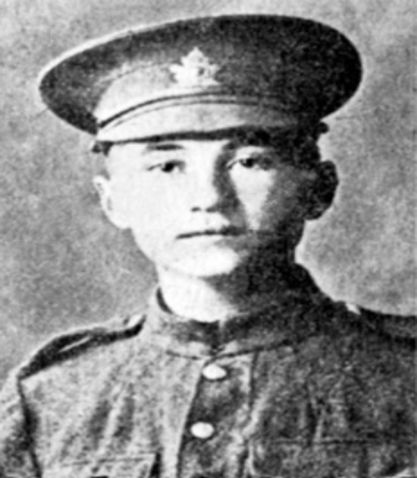
Pte. Curtis William ‘Bill’ Feere 1925-1944
Curtis William Feere was born in Windsor, Ontario on June 2, 1925 to parents John Fernley Feere and Martha Kenline of Port Rowan. Bill was raised in Port Rowan and was the second oldest of six children. He worked on the family farm until 1942 and later that year landed a job as a clerk for the CNR in Tillsonburg. On September 21, 1943 at the age of 18, he enlisted with the Canadian Army in Brantford, Ontario. Bill received training in gunnery, small arms, machine guns, grenades and passed the advanced motorcycle training program. On January 16, 1944, he married Bernice Margaret Beamish from Toronto in Port Rowan, Ontario. In April 1944, Bill was shipped overseas and arrived in Normandy on August 12, 1944 as part of the 4th Armoured Division of the Lake Superior Regiment. On August 28, 1944, Bill received a mortal gunshot wound to his right thigh and suffered considerable loss of blood. It was not possible for him to receive surgery for more than 12 hours which proved fatal. Private Feere died on September 1, 1944, at 19 years of age. Bill was one of the younger Canadians who gave their lives for the liberation of Normandy. He experienced only 14 days of battle, and it was brutal. He is buried in Bayeux Cemetery, France. The news came as a bitter shock to Bernice who was pregnant with their child. The following February she gave birth to a daughter named Lynda; the only remaining legacy of Bill and Bernice’s short time together. 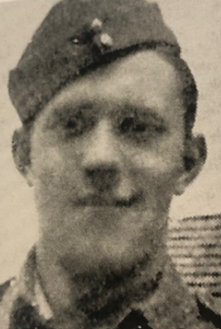
Robert ‘Bob’ Harold Franklin 1923-1997
Robert ‘Bob’ Harold Franklin farmed on Concession A near Port Rowan on land that had been his father’s farm. He also sold insurance and was the Clerk/Treasurer for South Walsingham Township. He trained to fly in Vancouver for 2 years during WWII, but was discharged for medical reasons. He had a lifelong love of history and genealogy and was proud that his family descended from United Empire Loyalists. He married a Brantford woman in 1944, and they had 5 children. One of those is Barb Bodo who has worked at the Port Rowan library for many years.
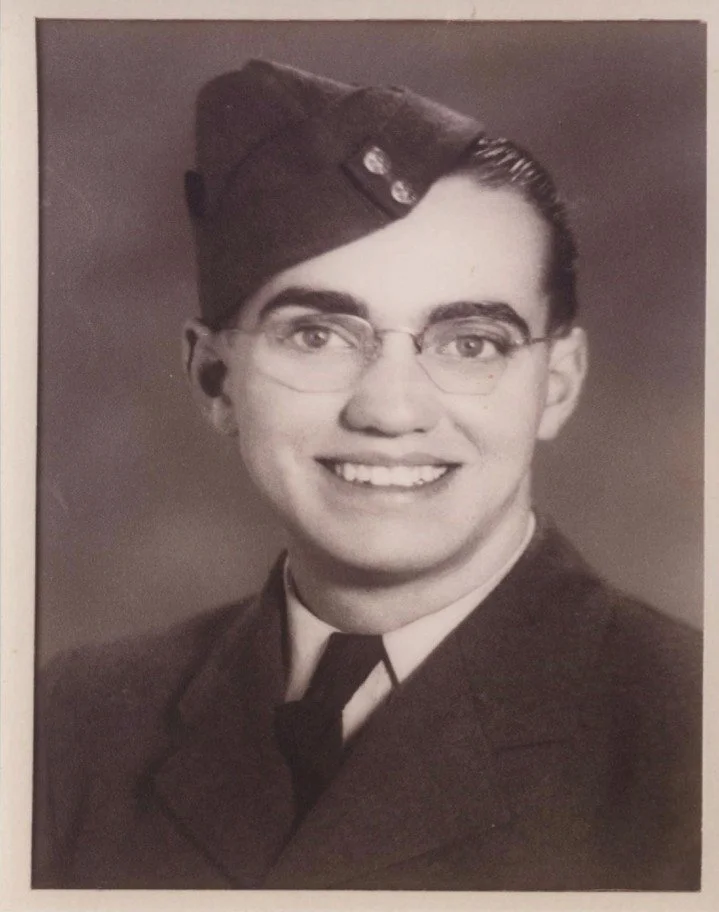
Pte. Leonard Herbert Garland 1888-1916
Leonard Herbert Garland was born in England. He was a gardener. He lived in St. Williams for three years and worked with the Dominion Settlement Association. He tried repeatedly to enlist, but was rejected because he had plated false teeth. He wrote to the British Army asking to be accepted. He was finally accepted in Lt. Hal Renwick’s 4th Norfolk Contingent. Leonard went to Niagara Camp in late July, 1915, where he joined the 76th Canadian Infantry Battalion. Some citizens of St. Williams contributed to a gift to show their appreciation of his bravery and willingness to serve. He arrived in England on October 10, 1915, with the 1st Reinforcing Draft of the 76th Battalion. He was briefly transferred to the 39th Canadian Reserve Battalion and then to the 24th Battalion, Victoria Rifles, a Montreal Battalion, which he joined in the field in 1916. He was severely wounded at St. Eloi in April, 1916. He died of his wounds on May 24, 1916 at the Duchess of Connaught Red Cross Hospital near Taplow, England. He is buried at Cliveden War Cemetery. The Simcoe Reformer wrote that, although only at St. Williams for three years, he had made many friends and left them with the memory of a young man who died for his country’s sake.
Donald Brooks Gleadall was born in England in 1909 to John Henry and Georgina Gleadall. The family immigrated to Canada when Don was only a year old. He went to Port Rowan school and later worked as a radio and appliance repairman. He married Thelma Elizabeth Ryan on August 27, 1935 in Tillsonburg. He joined the Canadian Army on September 10, 1940 and trained in London and Guelph before being sent by train to Halifax. On April 6, 1941, he sailed on the SS Georgic to England. He served in the Canadian Army in England and France and attained the rank of Sergeant. He was a Signals Electrician in the Royal Canadian Corps of Signals (RCSigs), responsible for establishing and maintaining communication networks. Signalmen played a crucial role in supporting combat units and headquarters by ensuring reliable communication, often facing the dangers of war in the field. Don returned from the Second World War on the RMS. Queen Mary, disembarking in New York, NY, on July 11, 1945. He was a member of Neal Memorial United Church and of the Port Rowan Legion. He was appointed by the Port Rowan Council to serve on the Port Rowan Community Centre Board in 1954. He ran his own business, Don’s Electrical and Maintenance, for many years. He liked duck hunting and camping, playing darts and curling. He died in 1973 and is buried in Bayview Cemetery, Port Rowan.
Sgt. Donald Brooks Gleadall 1909-1973
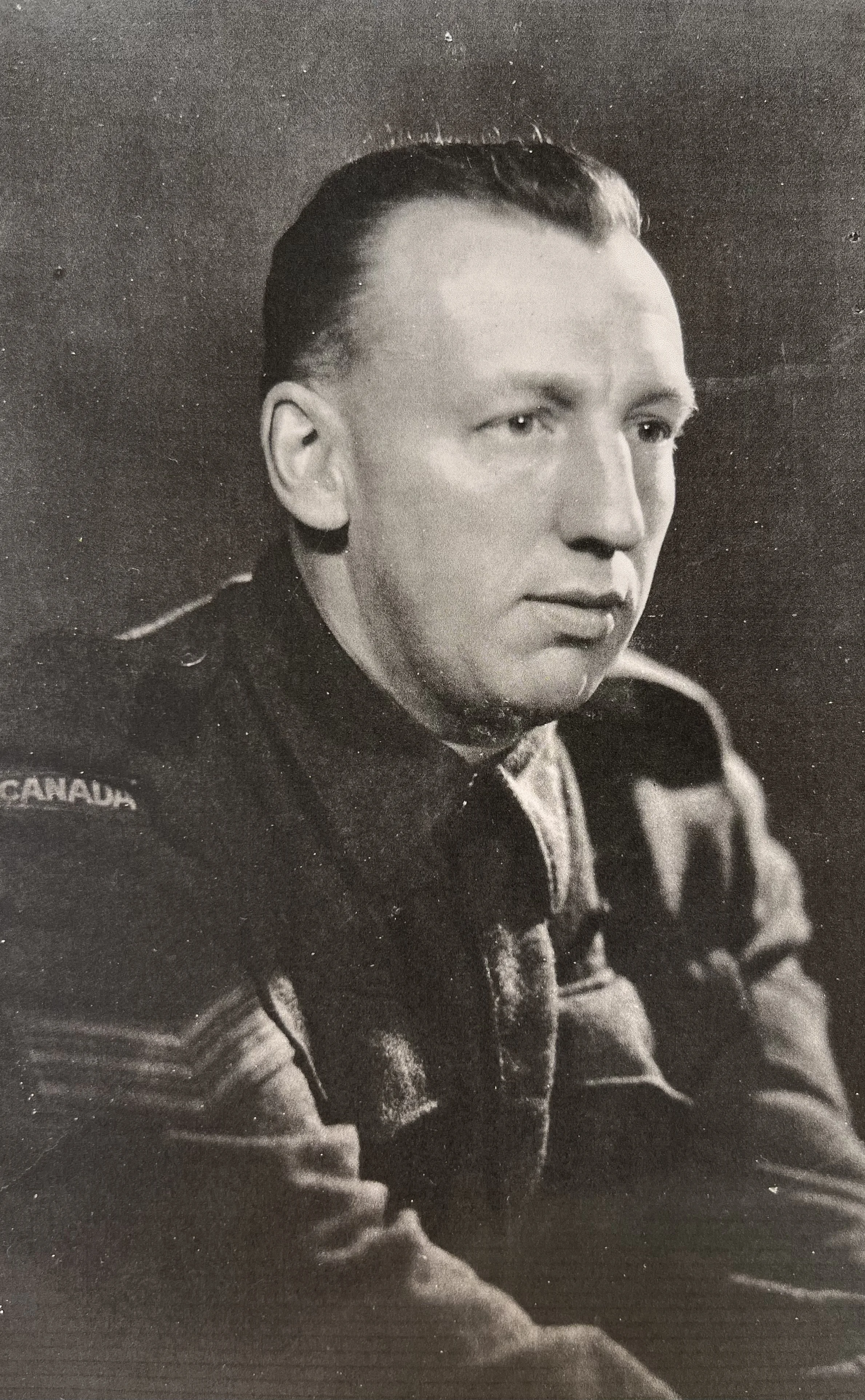
Maj. J. C. Jack Gleadall 1902-1986
Jack Gleadall was born in England but was raised in Port Rowan and had served in the local reserves beginning in 1921. He was the Municipal Clerk for the town of Port Rowan for 6 years before enlisting in 1940. He was made a Captain in the 33rd Anti-Tank Battery of the Royal Canadian Artillery and between 1942 and 1944, he was a commander at various bases from Shilo, MB to Sussex, NB. He landed in France in July 1944 and worked as a Liaison Officer between the British and Americans forces as they moved their way through Holland and into Germany. He returned to Canada in July 1946. Jack was married to Gwen Duncan of Port Rowan and had 4 daughters. Jack was also a fisherman. He had several boats including the Angler he bought from Ella Pearsall and then later the Kingfisher and the Norseman. He was a long time Lion’s Club and Port Rowan Legion member.
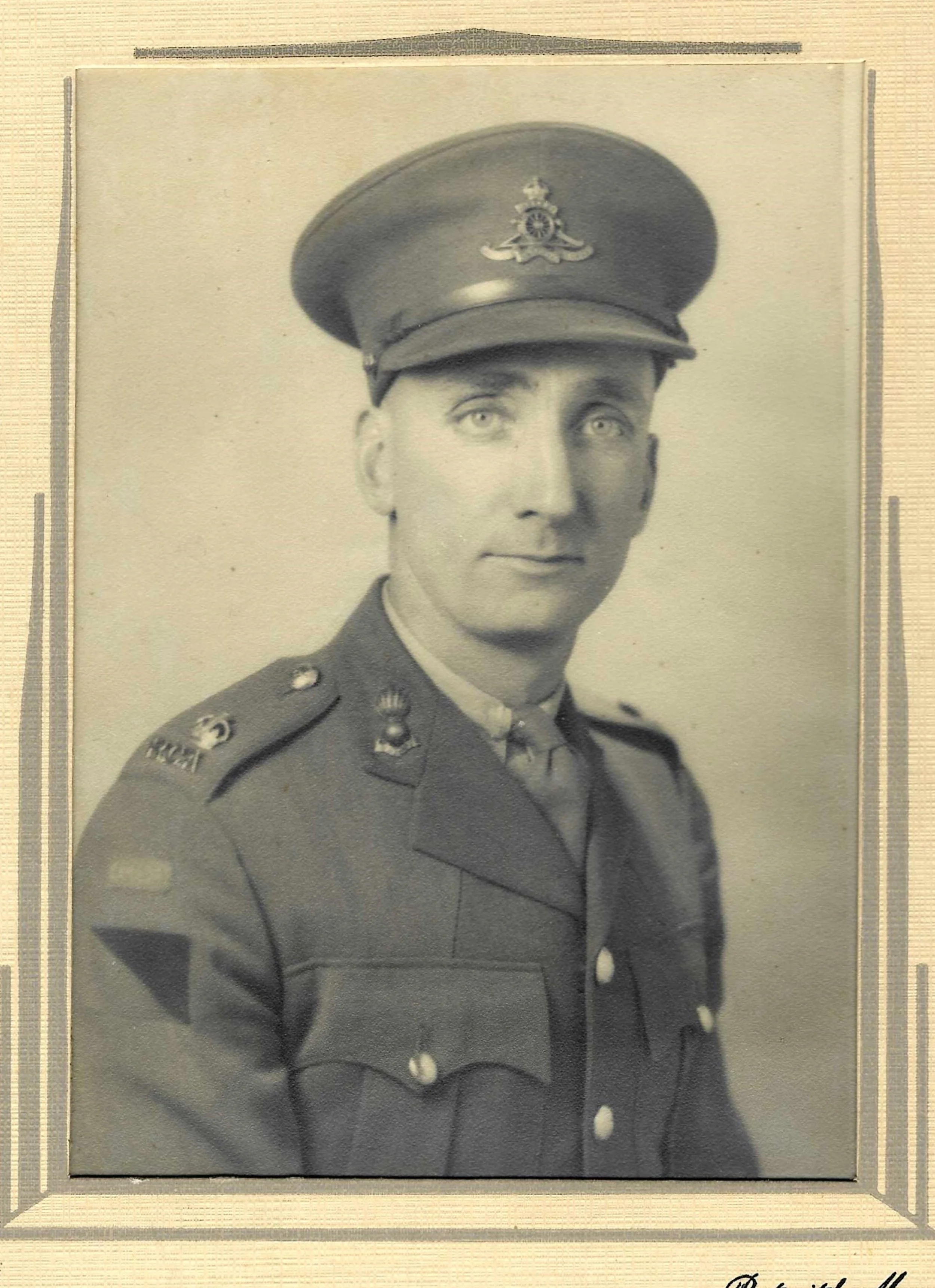
Pte. Leo William ‘Sandy’ Hammond 1919-1989
Leo William Hammond who went by the name ‘Sandy’ because of his red hair was born in South Walsingham Township on October 19, 1919 and spent most of his life in St. Williams. He enlisted on March 20, 1941 in Brantford, Ontario. Sandy served as a gunner in the Royal Canadian Army during WWII, bravely manning artillery in the fight for freedom. While stationed in England, he was fortunate enough to have a brief encounter with Queen Elizabeth (Princess at the time) and helped her change a tire on her jeep. After returning from war, Sandy married May Long who was from Hamilton in 1944. Sandy and May had 3 children-Doug, Joe and Susie. Sandy and his brother owned and operated the Hammond Mill for many years in St. Williams. His legacy lives on as a reminder of the sacrifices made by those who stood in defense of their country. Sandy died in 1989 and is buried in Newkirk Cemetery. 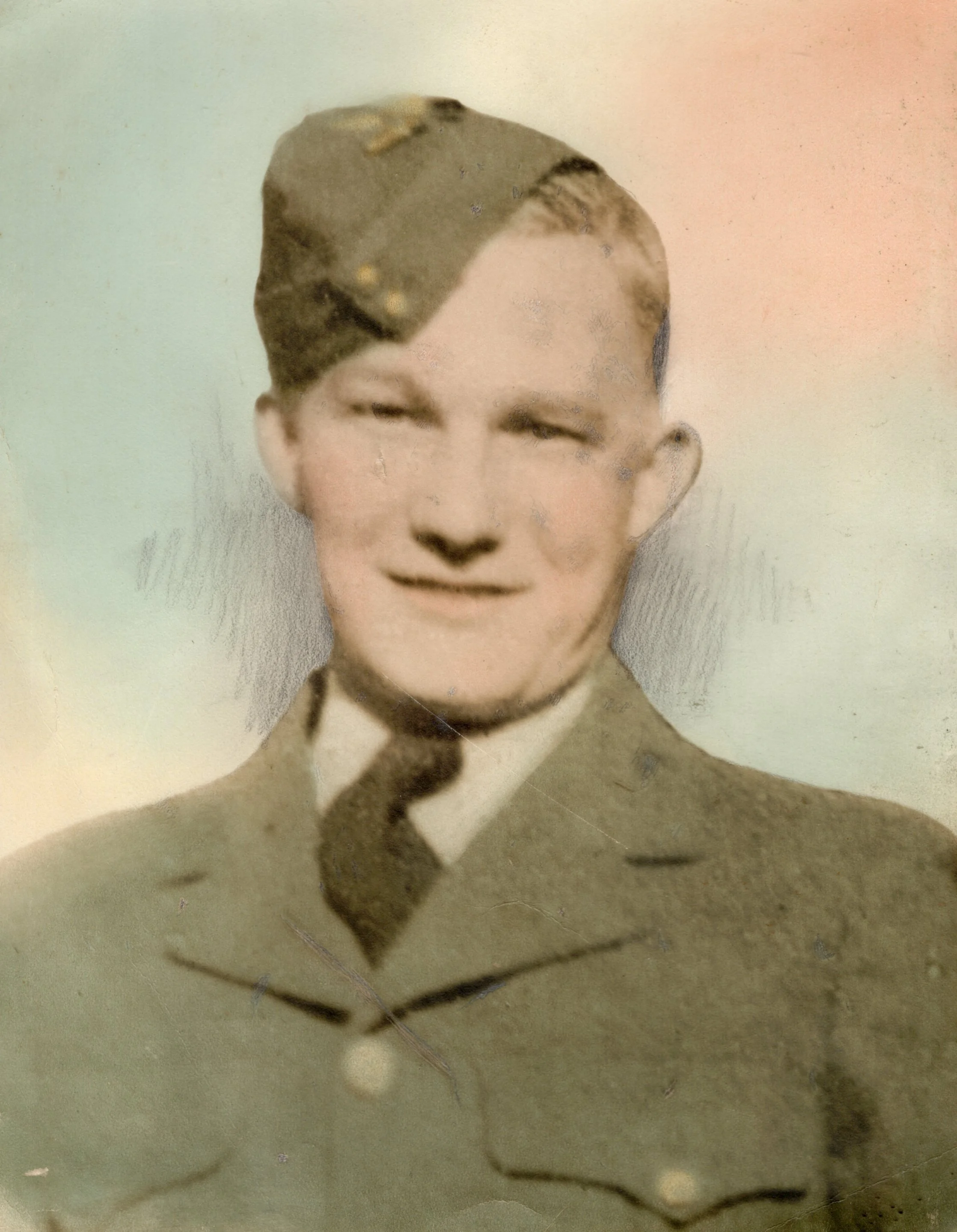
Pte. Henry Arthur Harding 1883-1916
Henry Arthur Harding was a red-haired, 5’ 4” tall, 31-year-old journalist, from Port Rowan, when he enlisted in August 1914, at the very beginning of the First World War. He was born in St. Mary’s, Ontario but was raised in Port Rowan where he attended both public and high school. He completed a BA at Trinity College, University of Toronto in 1904, and then came home to Port Rowan to work as a journalist for the Port Rowan News. He was the only child of his father, Samuel Henry Harding, and his mother, Eliza Esther Abbott. He had served for many years in the 39th Norfolk Militia, the local reserve unit. Arthur Harding was killed in action on June 6, 1916, during the Battle of Mount Sorrel which was part of the Battle of the Somme. He is buried in a Commonwealth War Graves Cemetery, Larchwood Railway Cutting Cemetery, in Belgium, near Ypres. His mother gave his portrait to Annie Brown, who was her neighbour. She was a woman who had lost two brothers in WWI and her own son and son-in-law in WWII. The portrait was donated to the Port Rowan/South Walsingham Heritage Association by Annie Brown’s granddaughter in 2023.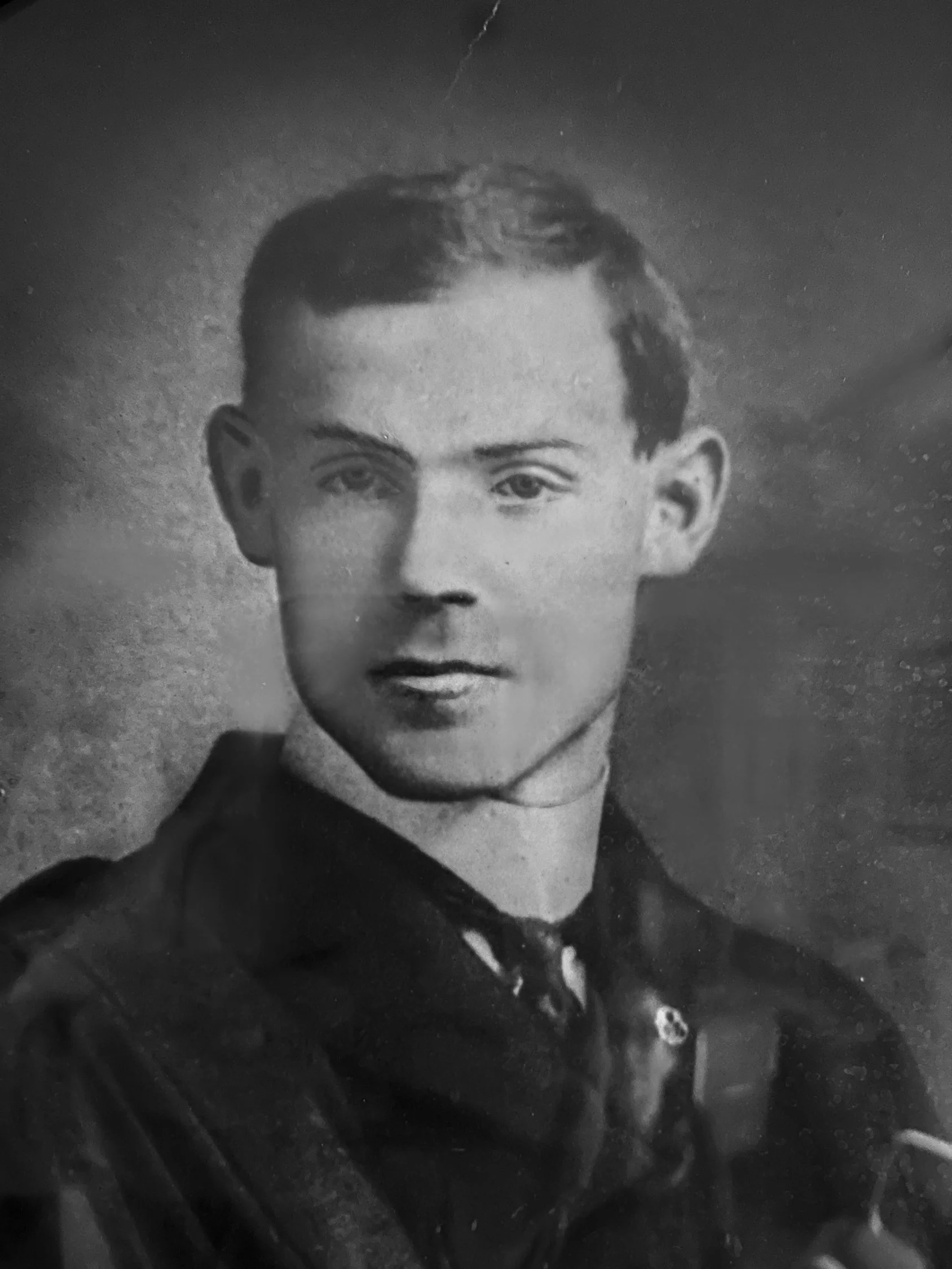
Pte. Ferman Harris 1893 - 1978
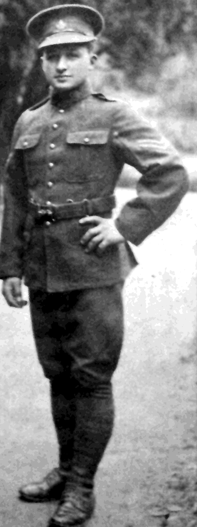
Private Ferman Harris was born on March 12, 1893 on a farm outside of Port Rowan. He was the son of James Eli and Sarah Anne (Chamberlain) Harris. Both of Ferman's parents died by the time he reached his seventeenth birthday. He had one sister, Stella, who married Robert “Henry” Mudford in 1910. Twenty-two year old Ferman enlisted in the Canadian Army Medical Corps on August 9, 1915 at London, Ontario. He was transferred to the C.A.M.C. Training School. His unit was the C Section Number 2 Field Ambulance. On December 16, 1915, Ferman was transferred to Monks Horton, Kent County, England, to serve at the Canadian Convalescent Hospital where Canadian wounded soldiers were treated. Private Harris was promoted to Corporal on September 10, 1916. Ferman requested to revert his rank of Corporal to Private in order to go overseas. Ferman joined the war in France with the Thirteenth Canadian Army Medical Corps (C.A.M.C.). He served behind the front lines dodging bullets and shrapnel in order to rescue his injured comrades then carried them to safety for treatment of their wounds. One of the jobs Ferman spoke about was the difficult job of removing his fallen comrades off the battlefield. This ensured his friends would receive a dignified burial. During the Battle of Vimy Ridge the 13th Field Ambulance provided immediate medical care to the Canadian troops. On April 30, 1919 Ferman was ordered back to England. Ferman returned to Canada and was employed at the Ford Motor Company in Walkerville, Essex County. Ferman married Nancy Cameron on January 1, 1927. They lived in Sandwich, Essex County where he owned and operated a Gas Station. After Ferman retired, they moved to Henry Street (Archibald Drive) in Port Rowan. Ferman was a small man with a height of 5 feet 2 inches. Over time, he took up the sport of sail-skating. The only equipment he needed was a kite for the sail, a pair of skates, a steering device and the wind. Ferman never missed a day sail-skating on the frozen bay in the winter months. On a good day, he could make it to St. Williams in twenty minutes. Ferman and Nancy did not have any children but his sister Stella and Henry Mudford provided them with many nephews and nieces. Ferman and Nancy were fondly remembered by their many nephews and nieces. He died on November 3, 1978 and was buried in Bayview Cemetery overlooking the Bay where he loved to sail-skate.
June Cross Harvey 1920-2008
June (nee Cross) Harvey was born March 21, 1920 in London, England to Harry Cross and Molly Delaney. During World War II, June served in the British Women’s Auxiliary Air Force (WAAF). After the War, the family moved to Canada. June married her Canadian pen pal, Jack Harvey, and they settled in Woodstock where he worked in a factory. They raised three daughters; Lorraine, Valerie and Charlene. They had a cottage on Long Point where they later retired. Jack died in 1994. June was a jolly, pleasant person and doting mother and grandmother.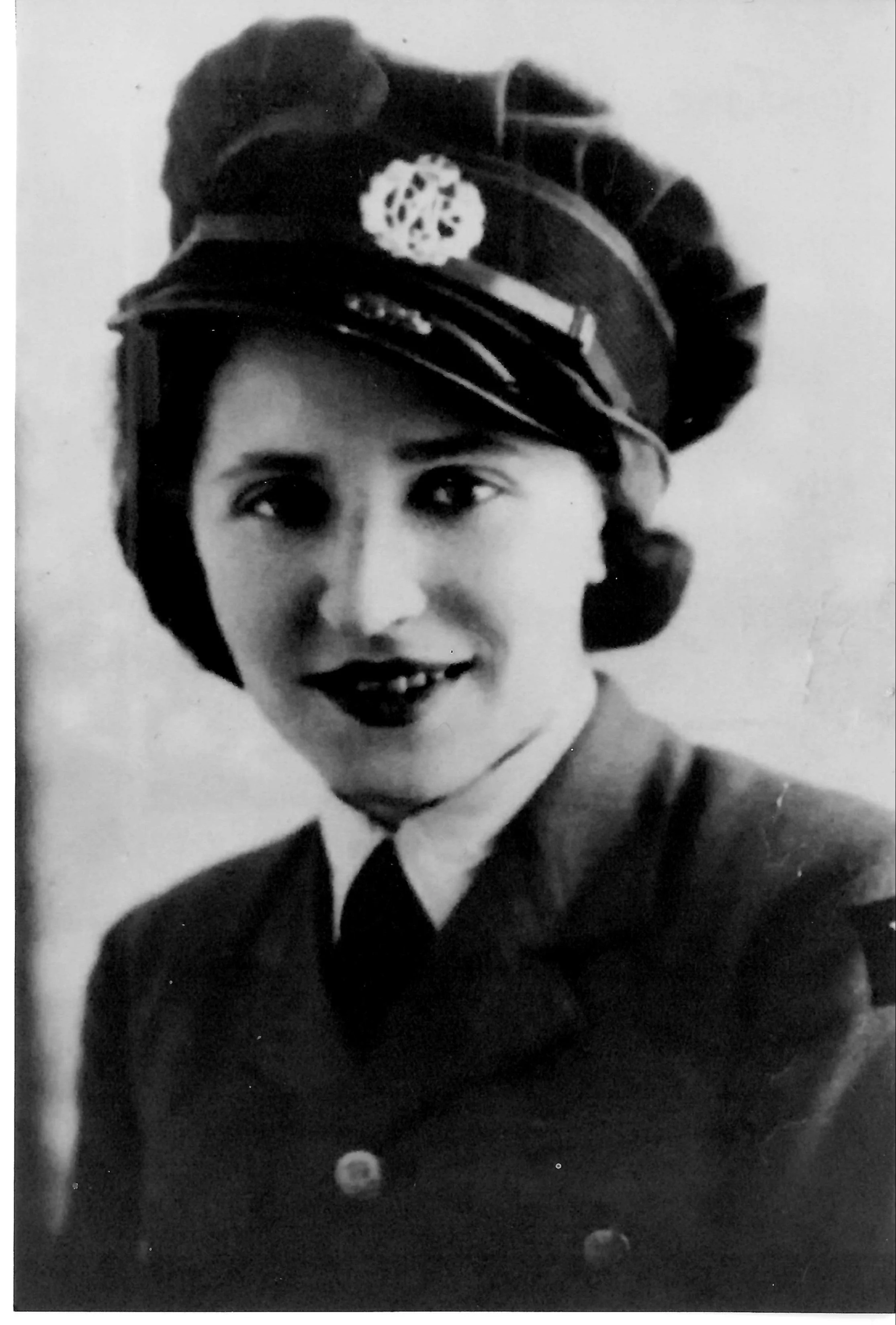
Pte. George Bailey Kelly 1896-1933
 Bailey Kelly and his family lived in St. Williams for a few years. He attended high school in Port Rowan. He was working there as an apprentice druggist when he volunteered in January, 1916. He was wounded at Passchendaele in November, 1917 while serving in the 7th Canadian Battalion, a British Columbia Battalion. He recovered in England. He was wounded on September 27, 1918 as the Canadian Corps advanced across the Canal du Nord. His right leg was amputated. After treatment at hospitals in England, he returned home on a hospital ship in April, 1919.
Bailey Kelly and Mae Palmerston of Port Rowan were married in Toronto in November, 1919. They lived in Toronto, where he was employed for some time as a clerk at the Parliament Buildings. The couple maintained their links with Norfolk County.  Bailey Kelly died in April, 1933 at the Christie Street Hospital, Toronto during an operation. His funeral in Toronto was conducted by Captain Sidney Lambert and assisted by Rev. Captain H. C. Newcombe. Bailey Kelly was highly esteemed and well respected. Lt. Col. A. C. Pratt and Captain Sidney Lambert spoke highly of him. Many veterans and friends attended the burial at Oakwood Cemetery, Simcoe. His death was attributed to his military service. He was sadly missed by his wife and children and by his parents and sister. George Bailey Kelly is named on the St. Williams Cenotaph among those who had served and survived the Great War. He died on April 3, 1933.
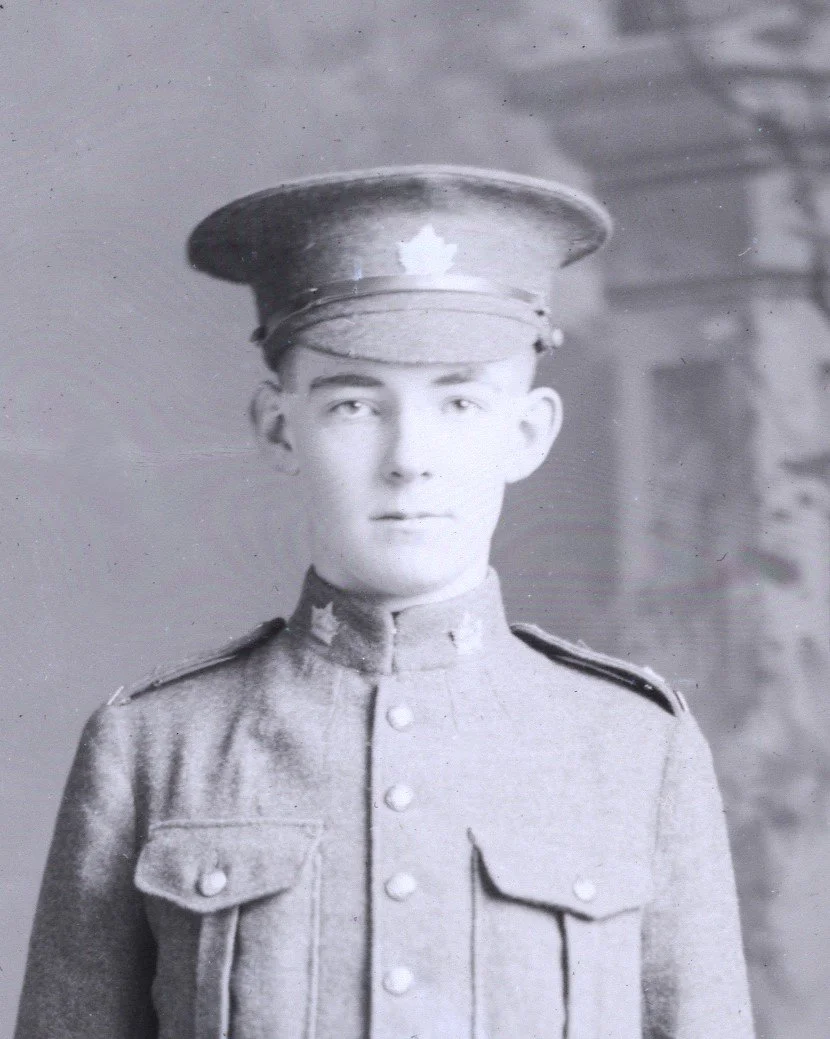
Sgt. J. D. ‘Bud’ Luxton 1919-1942
J. D. (John David) ‘Bud’ Luxton grew up in Toronto, but he had been working on the Simpson’s farm near Port Royal when he enlisted in January 1941 when he was 22 years old. He was in the area for a few years, and in that time, he had become very involved in the community – he played softball, and he regularly attended Neal Memorial United Church. The minister Reverend Gamble wrote this recommendation upon his enlistment: “for more than two years I have been associated with J.D. Luxton and in every way, I have found him to be of sterling qualities; morally above reproach, physically strong, intellectually keen and spiritually of sound and sincere faith.” He was dating a local woman, Kay Howe, who grew up above her family’s store just down the street. Luxton was accepted into the Airforce, and he was training to fly in England when his plane collided in midair, and he was killed. Nearly 15,000 Canadians serving as pilots and aircrew lost their lives during WWII. After Luxton died, Kay went on to marry Lorne Hunter and they ran a garage where Godfather’s Pizza is today.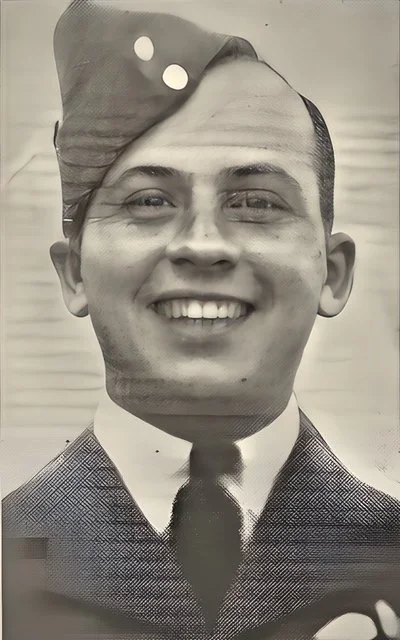
Pte. Thomas Lawrence “Laurie Martin” 1893-1955
Thomas Lawrence “Laurie” Martin was born in St. Williams on November 9, 1893. His parents were John A. Martin, a leading farmer, and Mary Agnes (nee Mason) Martin. He was a farmer when he enlisted in the 133rd Battalion on February 28, 1916. While he was at Camp Borden, his brother Edgar was killed in action overseas. In England, Private T. L. Martin was trained on the Vickers heavy machine gun. At the Front, while serving in the 9th Machine Gun Company, he was wounded in the leg at Passchendaele, in October, 1917. He returned to the Front in May, 1918, serving in the 3rd Canadian Machine Gun Battalion. He was gassed at the Battle of Cambrai but soldiered on and finished the war at Mons. He returned to Canada and the farm in the spring of 1919. T. L. Martin and Frances Louisa Green were married in 1925. In 1932, economic conditions forced the Martin family to leave the farm and St. Williams. T. L. Martin worked on farms and at the St. Williams Forestry Station. He became Normandale’s postmaster in 1939. He died on May 26, 1955, at Sunnybrook Military Hospital in Toronto. Mr. and Mrs. Martin are buried at Newkirk Cemetery, near St. Williams.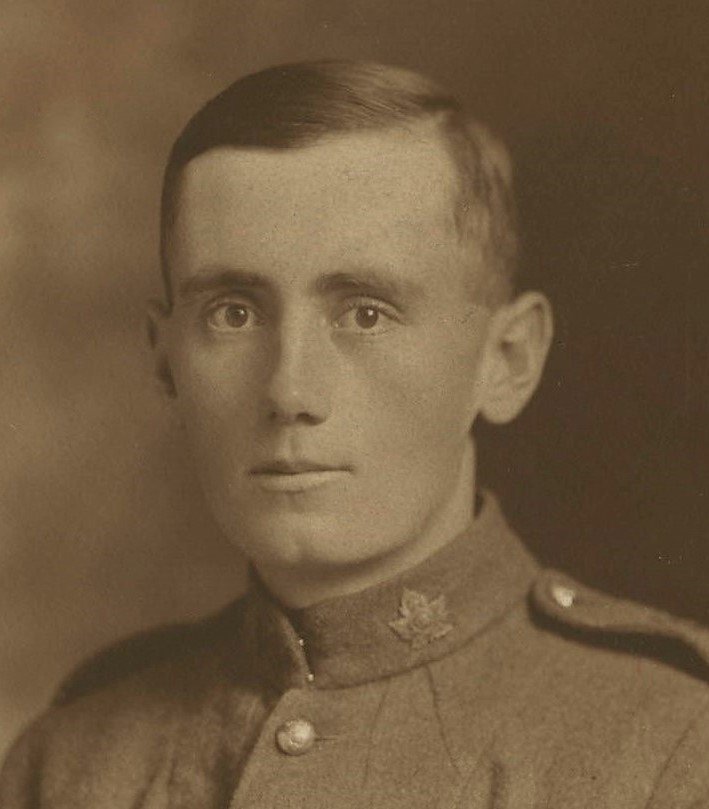
L/Cpl. William Edgar Martin 1896-1916
William Edgar Martin was born on February 11, 1896 at St. Williams. Edgar Martin was Belgium.the younger son of John A. Martin, a leading farmer, and Mary Agnes (nee Mason) Martin. He was an Anglican. He attended public school at St. Williams and high school at Aylmer. Edgar Martin joined Norfolk’s 3rd Overseas Contingent in February, 1915. He spent the summer of 1915 at Niagara Camp in the 37th Overseas Battalion and was promoted to Lance Corporal. He participated in the Big Trek from Niagara to Toronto before going overseas. He served at the Front in the 60th Battalion, Victoria Rifles of Canada, a Montreal Battalion. He was wounded during the Battle of Mount Sorrel. Private Edgar Martin was killed in action on August 12, 1916, during a small but intense battle in which his Battalion successfully defended the Canadian Front Line opposite Hill 60 in Belgium. He was 20 years old. Edgar Martin is named on the St. Williams and Norfolk War Memorials and on the Menin Gate Memorial to the Missing at Ypres, Spr. Norman John MacKenzie 1895-1918
Norman John MacKenzie was born in Scotland on June 28, 1895 to parents Donald and Mary MacKenzie. He was the youngest of five children. In October 1913, at age eighteen, he came from Glasgow to live and work for Mr. William Hunter of Port Rowan. When War was declared, John tried to join the 133rd Battalion, but was denied because he was under the height regulation.  He was 5’ 2 ½” tall. However, in October 1915, his enlistment was accepted and he became a soldier ready to serve Canada. On August 8, 1918 during the Battle of Amiens, John received a head wound and died the same day at No. 5 Casualty Clearing Station.  “During his short stay in Canada, he made many friends and was held in the highest esteem by all who knew him.”
 (from the Simcoe Reformer September 19, 1918) He is buried in the Crouy British Cemetery, Crouy-sur-Somme, France. John was 24 years of age.
Maj. Francis ‘Frank’ E. Mason 1870-1953
Major Francis ‘Frank’ Edward Mason was born on June 1, 1870 in Port Rowan, Ontario. Frank was the eldest son of John Edward Mason and Eliza Jane Bissett who were early settlers in the area. Prior to his marriage on July 7, 1897 to Clara Ellen White, he worked in the McCall and Mason Furniture factory in St. Williams. Frank and Clara had two sons John Edward Mason and Charles Esli Mason. Frank was appointed lighthouse keeper of the West End Lighthouse on Long Point in 1901. During the 14 years spent there he began the trade of boat building. Francis Mason enlisted in Norfolk's 133rd Battalion on January 10, 1916, at the rank of Captain, after serving many years with the 39th Regiment Norfolk Rifles. He served in Britain and France during WWI, earning the rank of Major. Upon returning home, he spent two years building homes in St. Williams and returned to his role of Captain of the Life Saving Crew at the East End of Long Point until 1927. Frank then became the Post Master in St. Williams, a position he held for 22 years. In 1940, he and his younger son Charles established the Mason Boat Works in St. Williams and he took an active role in designing and building boats. He was a member of the St. Williams Baptist Church, Canadian Legion Branch 131, Walsingham Lodge No. 174. He was also a member of Mocha Temple, London, and a charter member of Long Point Chapter No. 165 Order of the Eastern Star. Frank passed away at his home in St. Williams at the age of 83. He is buried in the Mason family plot in Johnson Cemetery, St. Williams, Ontario.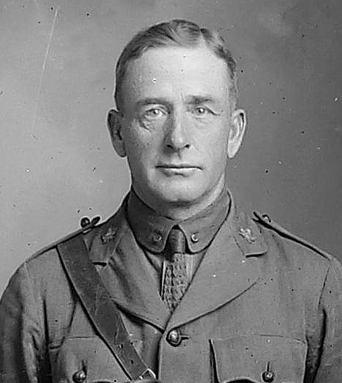
Pte. Harry Masters 1897-1917
Harry Masters was born in England on August 7, 1897. He came to Canada in 1907 as a Barnardo boy. He joined Norfolk’s 3rd Overseas Contingent in 1915 and served in the 37th Battalion at Niagara Camp until he was released on account of “physical unfitness for the hardships of war.” He volunteered again on March 1, 1916, in the 133rd Battalion. Harry Masters was a farm labourer, with no nearby next of kin, who lived with the John A. Martin family near St. Williams. He named John A. Martin as his friend and next of kin. On August 21, 1917, while serving in the 29th (Vancouver) Battalion, Private Harry Masters was killed in action near Lens, France during the Battle of Hill 70. He was 20 years old. Harry Masters is named on the St. Williams and Norfolk War Memorials and on the Vimy Memorial.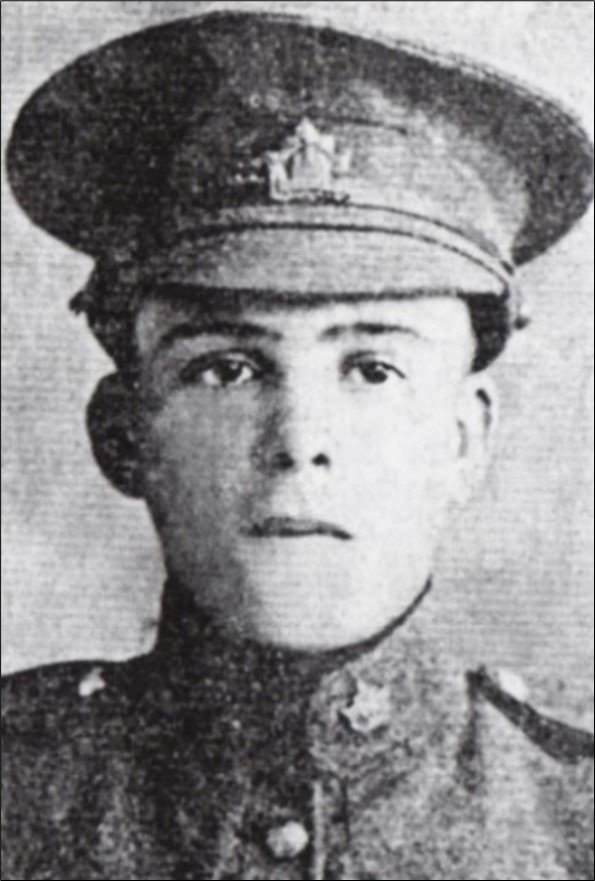
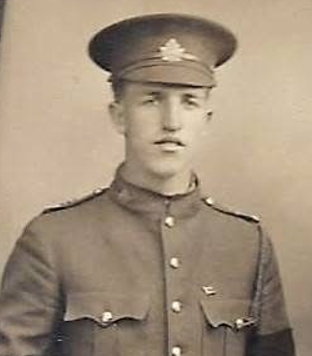
Pte. John Alexander Moore 1895-1971
John Alexander Moore was born in 1895 in Clear Creek, the son of Richard Moore and Rosanna McDonald. He grew up in the Cultus area. He joined the 133rd Battalion in February 1916 after previously serving in the 39th Reserves. Once in England, he was transferred to the 3rd Reserve Battalion. He was hospitalized in England in 1919
with pleurisy (a lung infection) and then sent home.  He became a cheesemaker, and after his marriage to Eneid Lillian ‘Pearl’ Addison, they lived in the brick house on the north side of the 4th Concession at Unger's Corners. The couple also lived on the Forestry Farm (where he worked) and finally moved to Price Street in Port Rowan. They had 2 children, Delbert and Betty. Delbert married Elva Thompson and Betty married Robert Wood. Pearl passed away in 1964 and a few years later John married Elizabeth Potts. John passed away in 1971. He is buried in Mount Pleasant Cemetery, Walsingham, Ontario.
Maj. Reverand George Neal 1750-1840
George Neal was born in 1750 on his family’s farm in South Carolina, the son of a Scottish Highlander who made the journey from Northern Ireland to the American South. When the American Revolutionary War erupted in 1776, George Neal remained steadfast in his loyalty to the British Crown. Demonstrating exceptional bravery and leadership, he led his troops through numerous battles with distinction. His valor did not go unrecognized— Neal rose steadily through the ranks and was ultimately commissioned as a Major, a promotion conferred for his heroic actions during the Siege of Ninety-Six and Charles Town.
In 1793, George Neal and his wife Mary (Cope) Cronk, were drawn to the scenic shores of Lake Erie by tales of the Long Point wilderness. Neal built their homestead, located beside the original Community Centre on Queen Street East, St Williams and it was part of a crossroads once known as Neal’s Corners. For the next 50 years, Reverend Major Neill traveled extensively on horseback, ministering to communities across the region leaving a lasting spiritual legacy as “Canada’s First Saddlebag Preacher."
Reverend Major George Neal died on his birthday February 28, 1840 at the age of 90 and Mary, his wife died 1 year later. In 1908, a Methodist minister in Port Rowan, led a campaign to establish a new church in Reverend Major George Neal’s honour. As part of this tribute, the remains of George and Mary Neal were moved to a crypt within the newly constructed Neal Memorial Church, 1054 Bay Street, Port Rowan.
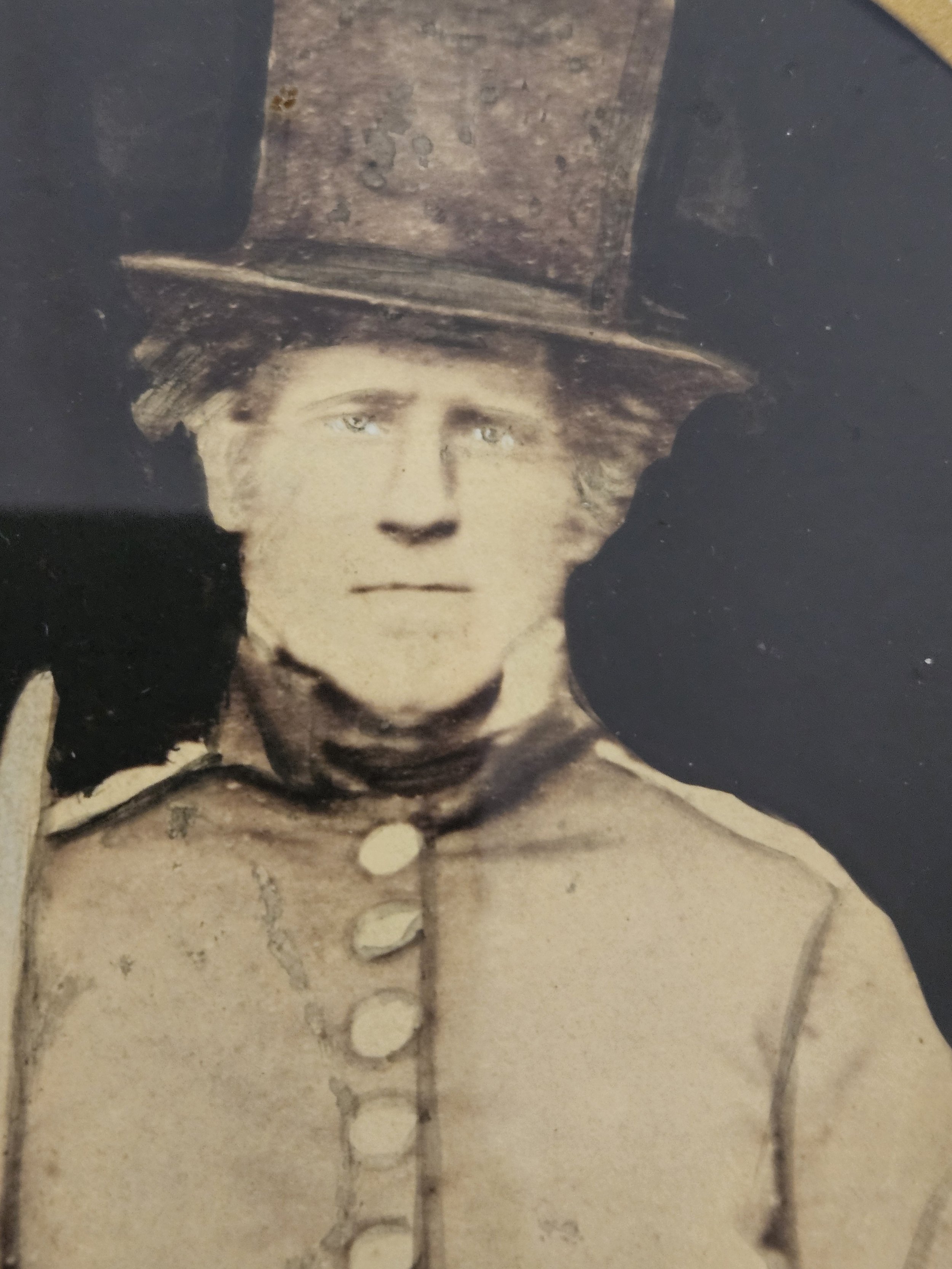
Pte. Harold Vernon Nethercott 1893-1917
Harold Vernon Nethercott was born December 5, 1893 to Charles Frederick and Mary Nethercott of Clear Creek, Houghton. He was the eldest of a large family with three sisters and four brothers. He had served in the local militia, the 39th Norfolk Militia. He was attending Queen's University in Kingston, when he decided to enlist on January 21, 1916. On his attestation paper, which all soldiers signed to join the Canadian Expeditionary Force, he is listed as 5' 4" tall and 130 lbs. He wrote many letters home which paint a vivid picture of life in the trenches on the Western Front. This one was written February 8, 1917 just after he finally received a Christmas box from home; "I am in a very comfortable dugout. The dugout contains a stove (not by any means the latest model), which is now burning merrifly, the coal in it is through out enough heat to keep the place pleasant, with the least smoke I have known it to cause yet. Some beds are made of chicken wire stretched over a wooden framework and covered with sandbags fill the largest part of the room. Besides this there is a bench, our equipment and rifles, a sack of coal and a little wood. I am sitting on the bench by the stove, this paper on my knee and a candle on the bedstead...There is no danger of interference by the progress of a German bullet or piece of shrapnel so here is solid comfort. But of course it is too nice to last forever..." Nethercott was killed on April 9, 1917 at the Battle of Vimy Ridge along with 3,598 other Canadian soldiers who lost their lives on that one day. The moment of his death was described in a letter by Leslie Kingston Knowles of St. Williams who was writing to his wife: "Sometime on the day of our advance (April 9th) I was sure I would get it when others just beside me would go down, but I was spared. I was standing with Morley, Nethercott, and Crerar [Morley is Morley Knowles, the letter writer's brother, Nethercott is Harold Vernon Nethercott and John Stewart Crerar a school teacher from Port Rowan], when the shell hit, which wounded Morley and killed the other two...It seemed almost impossible that anything could come through the barrage our guns put up. I had so much to think about that day that I didn't eat anything. At night I had a good feed in one of the Fritz's dugouts. I slept there that night, too. We are out of the Line for a few days rest." Harold Nethercott was 24 years old when he died and he is buried in Nine Elms Commonwealth War Graves Cemetery, in France near the Vimy Memorial.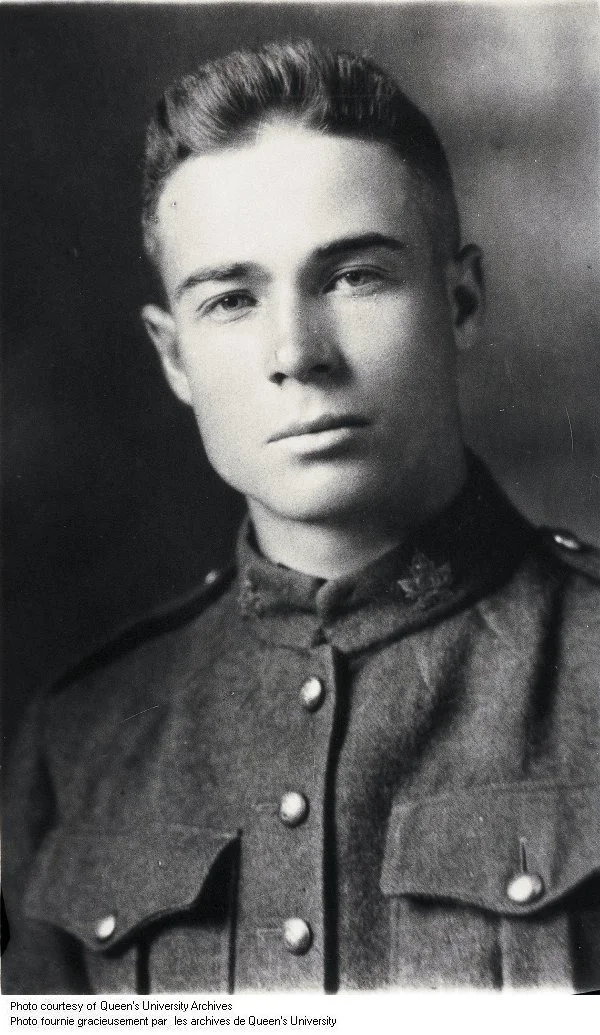
Pte. William Henry Newkirk 1922-1944
Pte. William Henry Newkirk was born in St. Williams on November 5, 1922. His father was Herbert Newkirk and his mother was Iva Fern Trickett. He had 2 sisters- Doris Evelyn and Marion Marie. William left school after Grade 8 to help his father in the family butcher business. William was broad-shouldered and stood 6 feet tall. He liked skating, hockey, dancing and movies. He was a regular at the St. Williams Baptist Church and he liked reading adventure stories and daily newspapers. William enlisted on January 17, 1944. The need for replacement soldiers at the Front was becoming critical, so William’s training was fast tracked. On February 18, 1944, William was sent to the Basic Training Unit in Brantford and by September 6, 1944 was in England. On October 16, he was in a Reserve Battalion in Belgium and on October 24 was taken on his strength with the Lincoln & Welland Infantry Regiment. William was killed in action 4 days later in France while encountering heavy enemy fire. Willam was among the many Canadians killed that day. He is buried in the Bergen-op-Zoom Canadian War Cemetery and is commemorated in the Second World War Book of Remembrance. Private William Henry Newkirk was 21 years old. 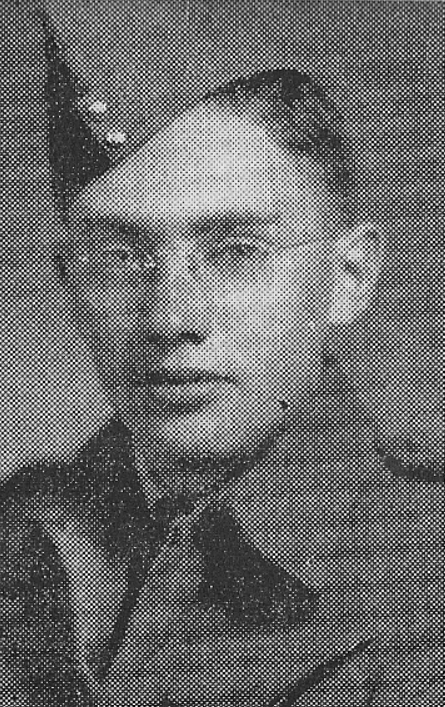
Pte. Melvin ‘Mel’ Oatman 1922-1990
Melvin ‘Mel’ Oatman was born on March 15, 1922 in Iroquois Falls, Ontario to parents Milo and Margaret (nee Towns) Oatman, while they were both working in lumber camps. Soon after, the family moved to Tillsonburg and eventually to St. Williams were his father Milo worked in the McCall factory for many years. Mel attended elementary school in St. Williams. Mel enlisted in the Canadian Armed Forces L.A.A. Battery on June 1, 1940 in Brantford. He received training at Brantford’s Camp Borden and Derbert, Nova Scotia. While training in Vancouver, British Columbia, Mel met Bernice Rhoda Hurst and the couple were married four months later in St. Williams on December 10, 1943. While Mel was overseas, Bernice was engaged in war work in Brantford. Mel served in France and Holland and was seriously wounded after being shot in the shoulder in Belgium. Mel was put on a stretcher and one of the soldiers carrying him stepped on a land mine and was killed instantly. Melvin was declared MIA for a short period of time. He was transferred to a hospital in England and spent five months there while he recovered. After returning home, he worked at Massey-Ferguson as an assembly worker (Massey-Ferguson only hired Canadian Veterans.) Mel retained shrapnel in his upper back and a piece close to his heart. He spent his later years working as a gas attendant. Mel died of congestive heart failure on July 20, 1990 at Brantford General Hospital while visiting from Vancouver, British Columbia. Melvin and Bernice were laid to rest at Valley View Cemetery in Surrey, British Columbia.
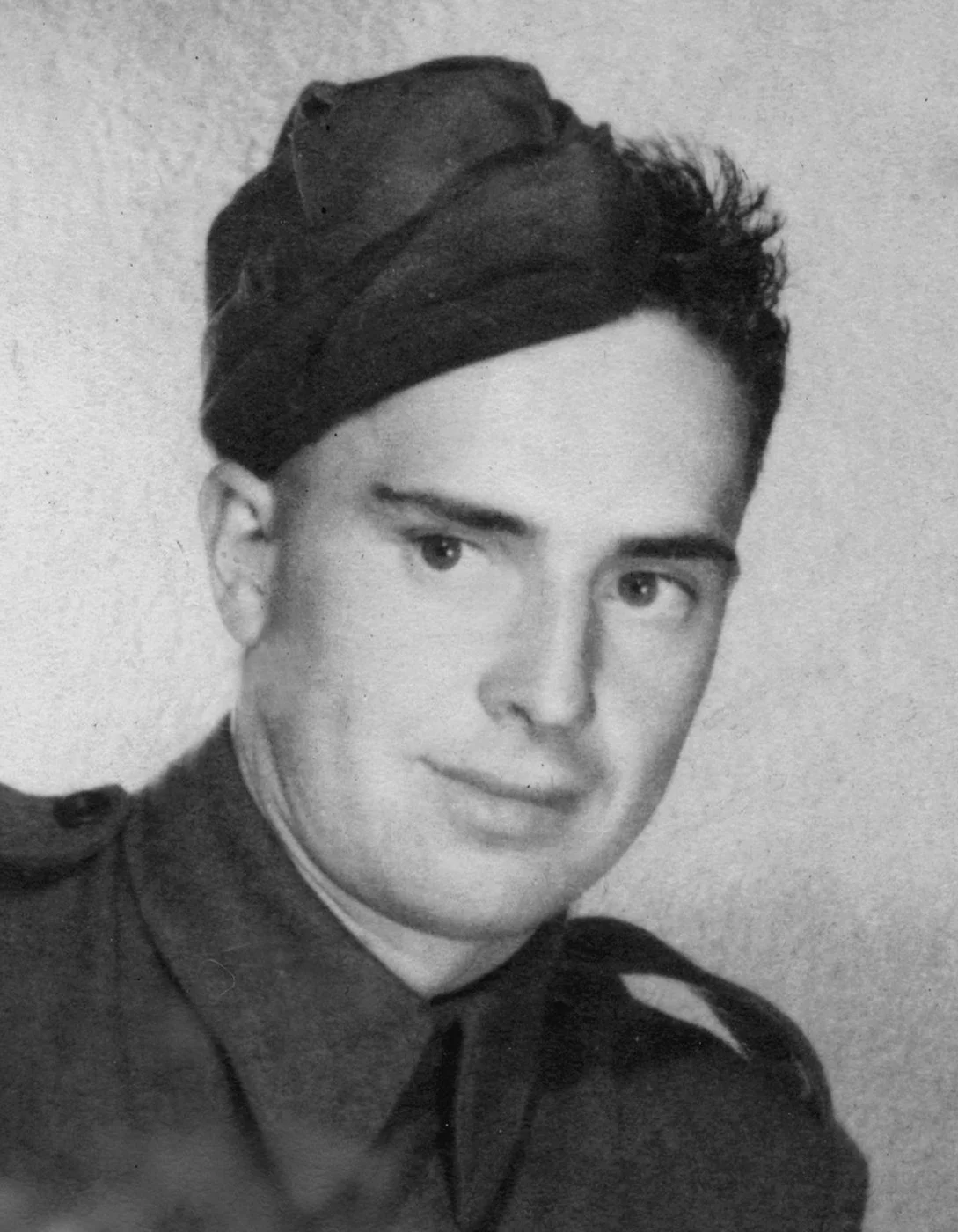
Pte. Edwin Peall 1889-1978
Ed Peall was born on a farm near Lincoln, England in 1888 and he loved gardening. Later in life, he lived on Wolven St and had a huge garden near the East Quater Line. When he was young and still living in England, he decided to immigrate to Canada. He got a homestead in Saskatchewan arriving just before the start of the First World War. He enlisted in the War in 1914, and was wounded by shrapnel at the Battle of Vimy Ridge in April 1917. He recovered in hospital in England and there he fell in love with his nurse – a woman named Fanny Hooper. He was returned to Canada later in 1917 to a convalescent hospital in Moose Jaw, Sk. He and Fanny were married after the war and they began farming outside Moose Jaw but tragically Fanny died. Later he married his second wife, and they moved to Port Rowan in 1944, because her daughter Elma Grunerud and her husband John had moved to Port Rowan. During the Second World War, Ed also served in the Veterans Guard. Their task was primarily to guard Prisoners of War. There were as many as 35,000 Germans in POW camps in Canada during the Second World War. One of the camps Ed Peall guarded was a lumbering camp in Ontario’s far north where there were no fences because it was so remote.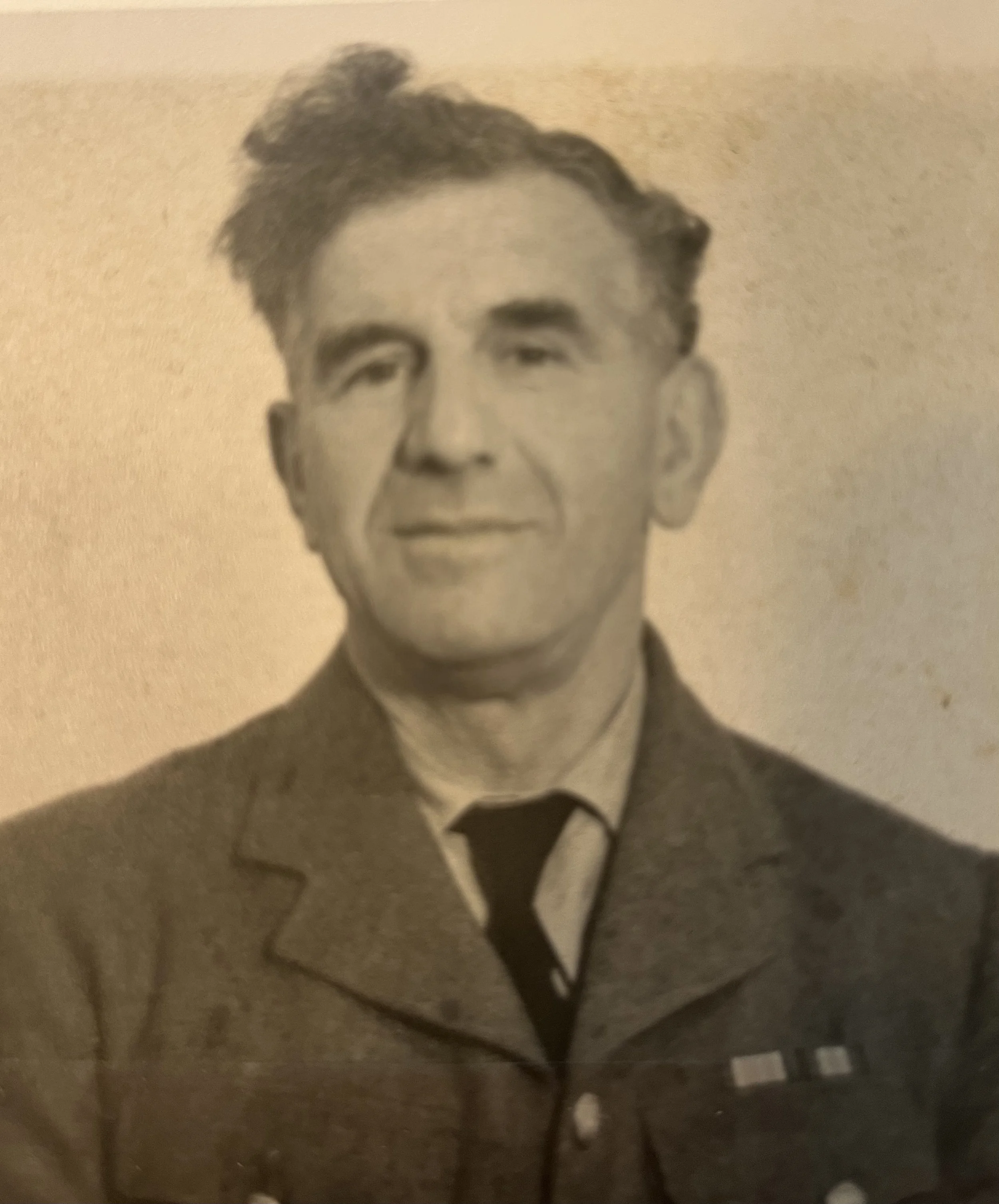
Pte. H. Clinton Pegg 1898-1918
Hugh Clinton Pegg was born in Forestville, Ontario and signed up for the First World War in April 1916. His father, Lewis Pegg of Clear Creek, was a druggist and the family had moved to Vancouver for work. Clinton was 5’ 7” with blue eyes and brown hair. After training in Canada and England, he was sent to France in May 1917. After many months of hard fighting, he was granted two weeks leave in Paris beginning just shortly after Christmas 1917. He was in France serving with the 72nd Battalion, the Seaforth Highlanders, which did most of their recruiting in Vancouver and throughout British Columbia. Clinton took part in the historical Battle of Cambrai which was at the start of the 100 days offensive that led to the end of the First World War. On the night of September 28, 1918, the 4th Canadian Division attacked northwest of the city and reached the Cambrai-Douai Road near the village of Sancourt. The next day, Clinton Pegg's 72nd Seaforth Highlanders (part of the 4th Division) attacked Sancourt at 8 a.m. with 16 officers and 373 men. They were under-strength as they had seen heavy fighting just two days earlier. Sometime during that day, sadly also his 20th birthday, Clinton Pegg was killed. He was advancing with his signalling unit when an exploding shell killed him instantly. The Seaforth Highlanders remember September 29, 1918 for an incredible accomplishment that took place near Sancourt. A small group of five men from B Company captured about 100 German prisoners and, although all five Canadians were wounded, they marched their prisoners back to the rest of the Battalion. Clinton Pegg is buried in a Commonwealth War Grave Cemetery right there beside the village of Sancourt, on the old Cambrai-Douai Road that he had fought so hard to cross. Family members have placed a granite stone in Clinton Pegg’s honour in the First Forestville Cemetery and it was recently also marked with a wooden cross, a poppy and Canadian flag.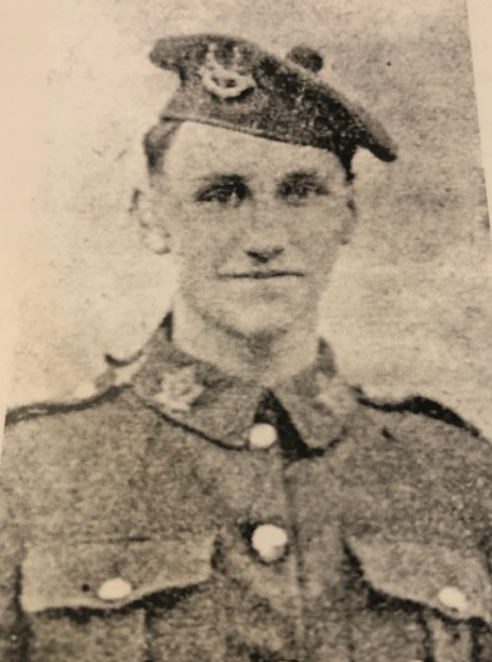
Pte. Frank Allen Pickersgill 1879-1920
Frank Allen Pickersgill was born in Wyecombe, Ontario on March 12, 1879 to parents Thomas Pickersgill and Elizabeth Firman. In 1903, he married Sarah Cornelia Smith in Port Rowan, and in 1905 he served on the Walsingham Township Council. Before the First World War, he moved with his family to Manitoba. He enlisted on February 16, 1916, in Ashern, Manitoba with the 108th Battalion Manitoba Regiment. In France, he served with the 16th Battalion for eight months where he was seriously wounded. Frank was sent back to Canada to recover, but he sadly died in Winnipeg on June 16, 1920, from war-related injuries. He is buried in the Winnipeg Brookside Cemetery. His wife Sarah, is buried in Bayview Cemetery, Port Rowan and her headstone commemorates both her husband and their son, Frank Herbert Dedrick Pickersgill, who was killed in WWII.
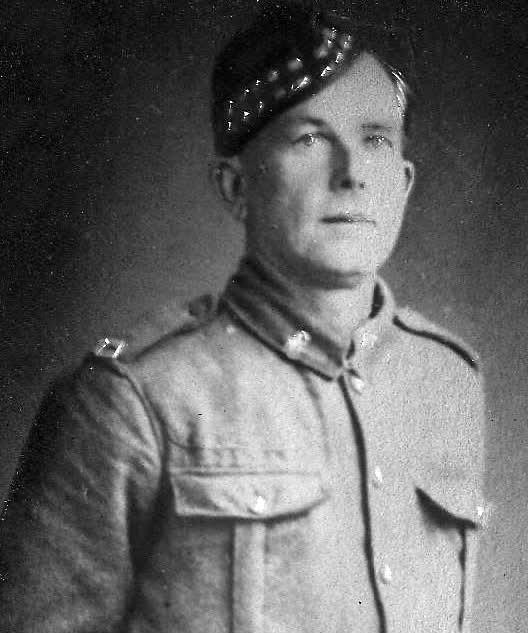
Capt. Frank H.D. Pickersgill 1915-1944
Frank Pickersgill’s father and his five uncles all served in World War 1. Frank Jr. was a graduate of the University of Manitoba and University of Toronto and when war broke out in 1939, he was actually in France studying French. When the Germans invaded Paris, he was placed in an internment camp from July 1940 to March 1942, but then he escaped and made his way to England. He enlisted in the Intelligence Service, was given the rank of Captain, and sent back to France undercover in May 1943. He was captured by the Germans in July 1944 and was sent to a concentration camp and executed as a spy by the Nazi’s. He was 30 years old when he died and has no known grave. His life is commemorated on his parents' headstone in Bayview Cemetery.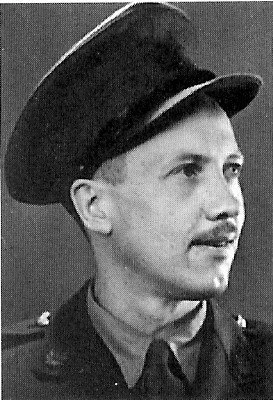
Sgt. Charles Benjamin ‘Ben’ Pierce 1916-1941
Sergeant Pilot Charles Benjamin ‘Ben’ Pierce was born on February 18, 1916 in Port Rowan, Ontario to parents Thomas Duncan Pierce and Myrtle Humphrey. Ben was the youngest of five children and the family lived in a brick house on Price Street in Port Rowan. He enjoyed playing hockey and sports and making model airplanes. He was a commercial fisherman with his father working at his family’s pound net fishing company on The Bay. On August 5, 1940, (at the age of 24) Ben enlisted in the RCAF hoping to be an Air Gunner. On January 6, 1941, he began training on single-engine airplanes as a pilot on Harvards and Yales, and ultimately to Curtiss P40 Kittyhawks. Ben was first stationed in Camp Borden and then sent to Camp Picton in Eastern Ontario. After attaining his wings, he was posted to the Rockcliff Airfield in Ottawa where the new F-Squadron 111 was being established. After the bombing of Pearl Harbor by the Japanese, Ben and the F-Squadron 111 were to be moved to Patricia Bay in British Columbia on Vancouver Island. The aircraft were disassembled in Trenton, shipped west on railcars to Vancouver where they were re-assembled. Ben was one of the pilots who tested the newly re-assembled planes. On December 27, 1941, during testing Kittyhawk serial number 887, while performing a loop manouver the aircraft went out of control, crashed and burst into flames. Ben's remains are buried in Bayview Cemetery next to his mother and father. Ben was awarded the War Medal and the Canadian Volunteer Service Medal and Clasp.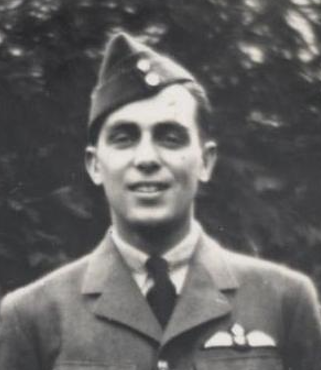
Pte. Charles Samuel Place 1897-1918
Private Charles Samuel Place was born in Port Rowan to parents Edward Nelson Place and Annie Martha Gilders on November 8, 1897. His family was living in St. Williams when he enlisted on February 25, 1916 in Simcoe, Ontario. He was a labourer, had served with the 39th Norfolk and was single. Charles arrived in England on November 11, 1916. While serving with the 14th Battalion, The Royal Montreal Regiment, he was wounded during the Battle of Amiens. The casualty report indicated he was wounded in the back and abdomen by shrapnel from an enemy shell. He received first aid and was then transferred to #5 General Hospital. Five days later, on August 14, 1918, he died. He is buried in the Sever Cemetery Extension, Rouen, France. Charles Samuel Place was 20 years old.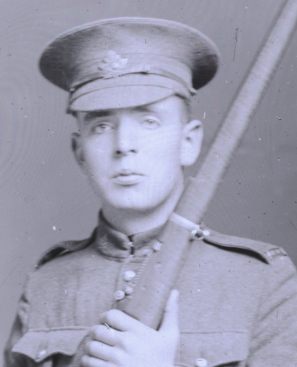
Pte. Hugh Alexander Slingerland 1878-1917
Hugh Alexander Slingerland was born in 1878 and grew up on a farm between Port Rowan and St. Williams. When he was in his 30's, he moved out west to Alberta to take up a homestead. He enlisted in the First World War on February 4, 1916. By March the next year, he was in France with the 50th Battalion Canadian Infantry. He was wounded in June with a surface wound to the head. Then on August 10, 1917, he took part in a battle to take the Town of Foudesquort and push the Germans out. That morning the orders were to attack at 8 am and the men fell in at 6 am - but then the tanks did not arrive until 10 am and the battle was delayed. Finally, at 7:20 pm, after waiting all day, Slingerland and his Battalion "went over" in the face of heavy machine gun, rifle and artillery fire. In the dispatches it said, "the entire Battalion went into the attack confident in their ability to trim the Boche (the WWI slang for Germans) and it is really difficult to single out individuals for special mention." Incredibly, the 50th Battalion made their objective of reaching over a mile distant in an hour and a half but the cost was heavy - 3 officers dead, 29 other ranks killed, 159 wounded and 20 missing. Hugh David Slingerland was one of the missing. His body was never found and his father, who was living in Port Rowan, was informed that his son went "Missing in Action on 10 August 1917 - Presumed Dead." The Slingerland family headstone in Johnson Cemetery in St. Williams contains a memorial to their missing son. His name is also on the Vimy Memorial in France which is dedicated to the over 11,000 Canadians who lost their lives during the First World War and for whom there is no known grave.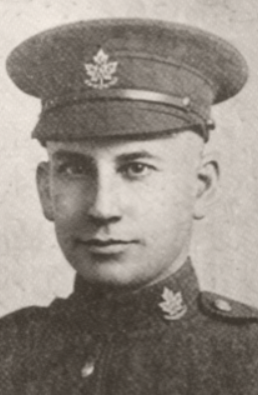
Maj. William ‘Bill’ A. Smith 1928-2009
William (Bill) Smith was the eldest son of Gertrude and Spencer Smith. He grew up on Wolven St. in Port Rowan and after high school attended Royal Roads Military College in Victoria, BC. He also graduated from The University of Toronto with a degree in Electrical Engineering in 1953. He became a fighter pilot and flew T-33 Trainer Jets in Rivers, Manitoba, in the mid-1950's. Then, from 1958-1962, during the height of the Cold War, he was stationed at 2(F) Wing, Grostenquin, France. (the F stands for Fighter) This was a Royal Canadian Air Force Base, one of four in France, that were established in the early 1950s as part of Canada's NATO air defense commitment. There he flew F-86 (Sabre) Fighter Jets with 430 Squadron. After France, he was posted to RCAF headquarters in Ottawa and served as editor for Flight Comment, the RCAF Flight Safety magazine. From 1966 to 1969, he was posted to Wright-Patterson Air Force Base, in Dayton, Ohio, where he worked for the United States Space Program developing and testing flight simulators. He retired in 1975. Bill married Lorna Brown who also grew up in Port Rowan and they had two children, Nancy and Spencer. 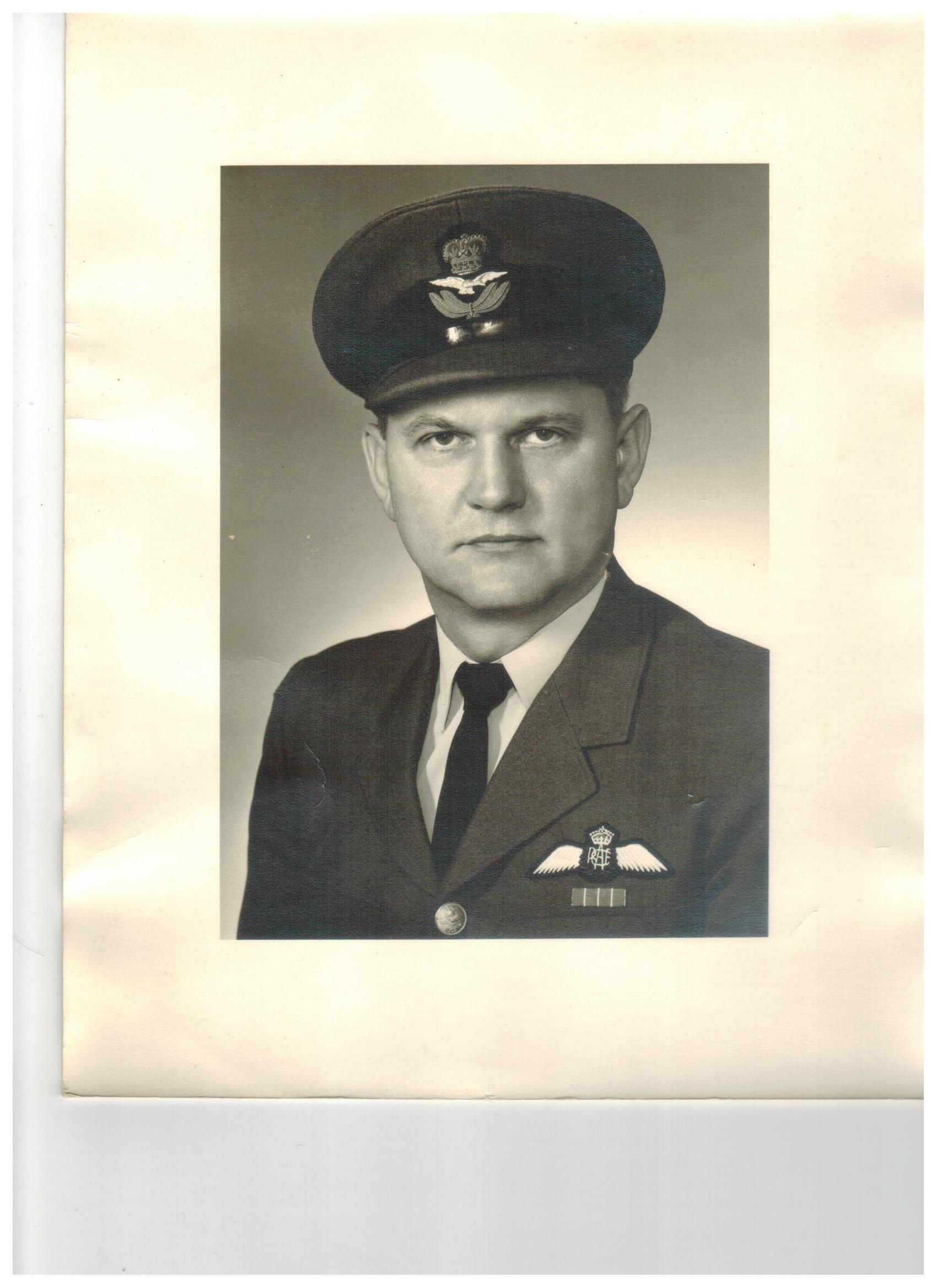
Sgt. Hugh Whitney Smith 1877-1917
France during the First World War. He married Helen Amy Gould on August 22, 1911 and the next year they immigrated to Canada. Hugh Whitney Smith was a chartered accountant who came to St. Williams to work at the Dominion Settlement Association, but the job did not materialize. He was 38 years old when he enlisted in the First World War in 1915, and was made a Sergeant in C Company of the 133rd battalion, ‘Norfolk’s Own’. He was sent to France with the 19th Overseas Battalion and went missing on May 8 or 9, 1917. He was presumed killed in action, his body was never found and he has no known grave. His name is listed on the Vimy Memorial in France along with the other 11,284 other Canadians who were killed in the War and for whom there is no known grave. Hugh and Helen had two daughters Helen Louise (Betty) Cronk (1912 - 2008) and Florence Beatrice Dove (1914 - 2000). He wrote touching letters home to his wife that the family still has in their possession.
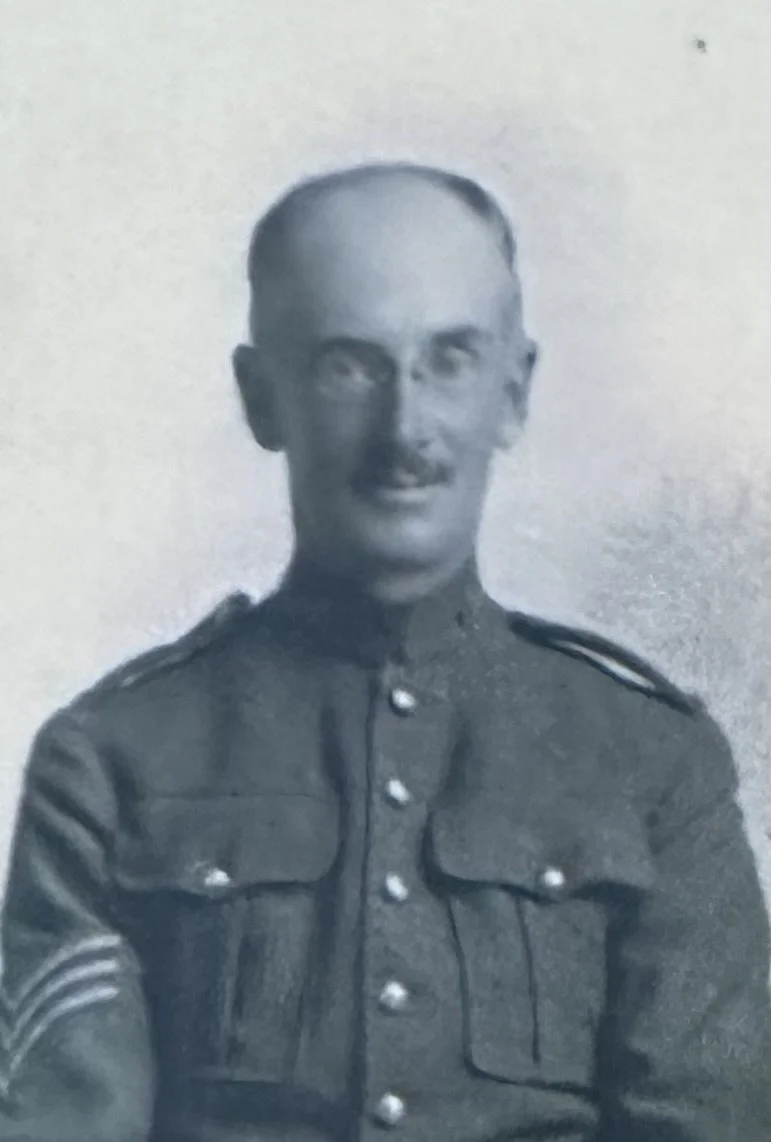
Pte. John Smith 1826-1864
John Smith was born on January 18, 1826 in South Walsingham Township just west of St. Williams to parents Henry and Sarah Abigail (nee Franklin) Smith. John was one of 14 children which descended from United Empire Loyalists on his mother’s side. The Smith family were one of the area’s pioneer families who purchased a 100-acre parcel of land from Dr. John Troyer in 1806 for $150.00. John married Mary/Margaret Ann Butcher who died during child birth and later married Ann Jordan. Shortly after his second marriage, John moved to Huron City, Huron Co., Michigan. John enlisted in the Company C 6th Michigan Calvary Regiment during the American Civil War. John was captured during the war and taken prisoner and sent to Libby Prison in Richmond City, Virginia. Libby Prison was ranked as one of the most notorious of Civil War compounds. Libby Prison was established in 1862 and housed Union Prisoners of War during the American Civil War. Prisoners were crowded inside sparsely furnished rooms that exposed them to the elements. Prisoners' diaries told of insufferable living conditions, poor food rations, inadequate hospital facilities and harsh punishment. In February 1864, 109 prisoners escaped by tunnel, with 59 eventually reaching Union lines. The prisoners tunneled through a rat-infested zone which emerged into a vacant lot beside a warehouse. A few weeks later, Libby officials dug a mine, filled it with explosives, and threaten to destroy the facility if any prisoners attempted to escape. John Smith died on February 2, 1864 at the age of 38- 2 days before the great escape. American Civil War records state “Cause of Death- disease” The Smith/Oatman Family Reunion purchased this banner to honour John Smith.
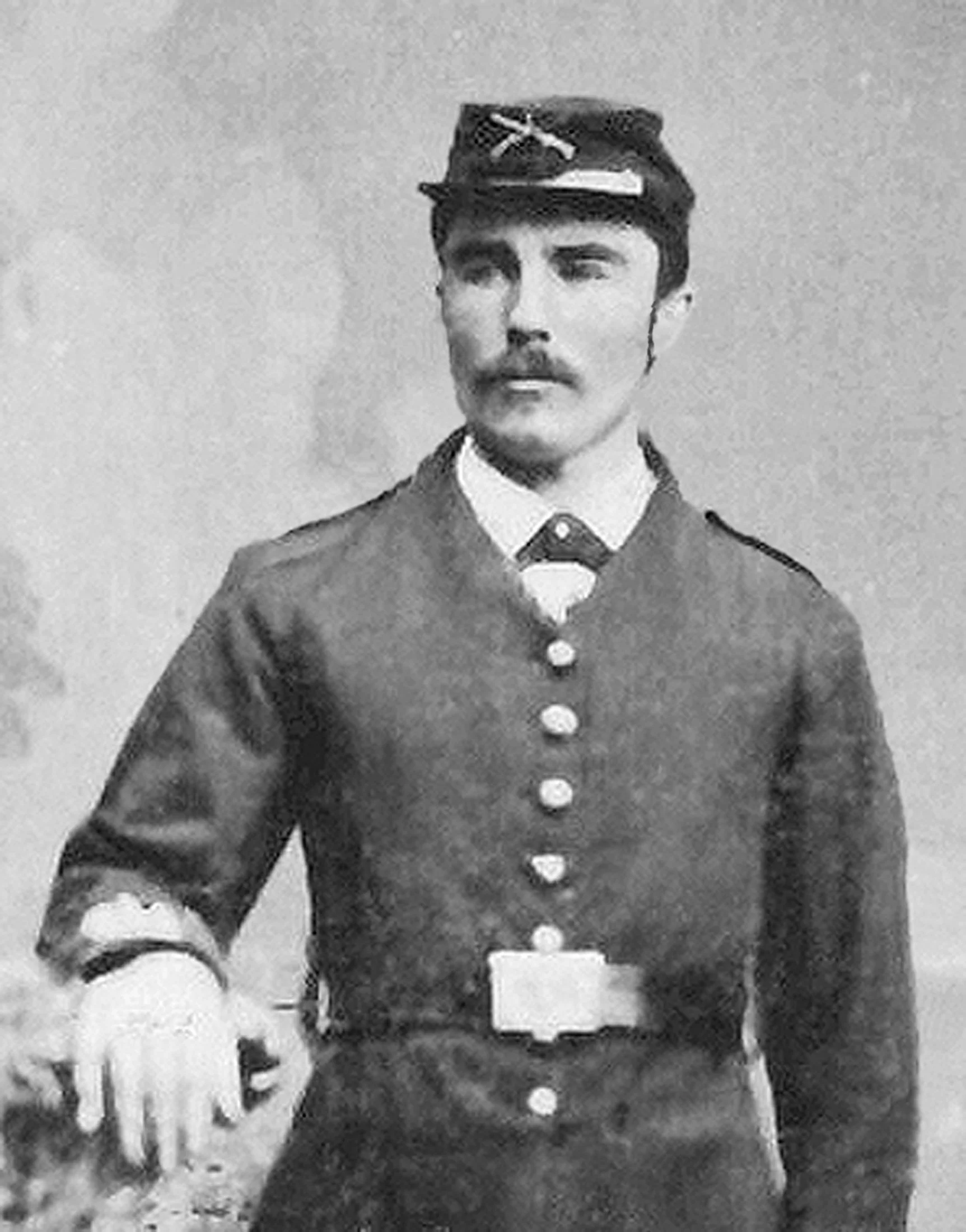
Pte. William Arthur ‘Bill’ Stackhouse 1922-1945
Pte. William Arthur ‘Bill’ Stackhouse was born on the 2nd Concession, St. Williams on June 7, 1922. He was the only son and youngest child of Maude Stackhouse and Thomas Stackhouse. He had four sisters. While growing up, William enjoyed baseball, shooting and reading. He attended elementary school in St. Williams and left school after Grade 8. Bill was a well-built man and stood almost 6 feet tall. His appearance was listed as “very neat, looks robust and straight forward.” Bill was working on a farm in the Port Weller area at the time of his enlistment in October of 1942. He received his training in Toronto and several centres in Nova Scotia. He was stationed in Labrador for 14 months before being posted overseas in November of 1943. Bill was with the Lincoln & Welland Regiment. The last letters his family received were written from Belgium, but it is believed Bill lost his life while serving in Germany. He is buried in the Holten Cemetery, in the Netherlands. Bill was a cousin to Hugh Stackhouse. They had made arrangements to meet up 3 or 4 days before Bill was killed in action, April 15, 1945. Private William Arthur Stackhouse was 22 years old. 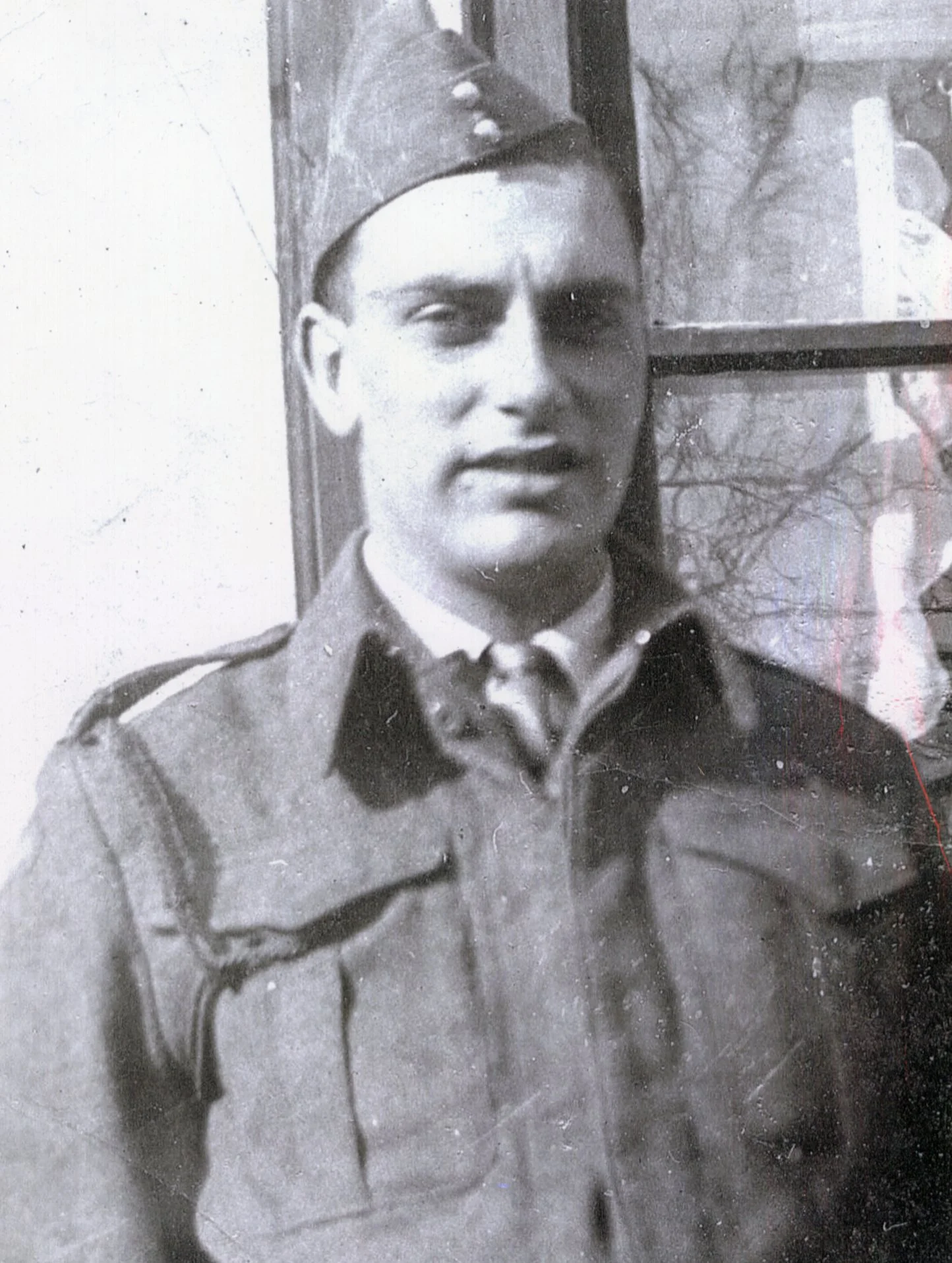
Pte. Charles Hugh Stackhouse 1923-2005
Charles Hugh Stackhouse, or Hugh, was well known around the St. Williams, Port Rowan area. He was born just out of town on the Forestville Road, May 21st, 1923 to Charlie Stackhouse and Nellie Carter-Cridland. He was one of eight children. At the age of 18, Hugh enlisted in the army. When asked what he did Hugh replied he was a farmer. The Officer in charge said “Well as you know how to drive we're assigning you to the tank corps”. Hugh said he didn't have the nerve to say the only thing he had driven was a team of horses! Trained in Fort William and Camp Borden, Trooper Stackhouse went overseas to England on October 20th, 1943 with the South Alberta Field Regiment. His troop went to France shortly after the D-Day invasion. On August 18, near Falaise, Normandy under heavy artillery attack, the tank Hugh was driving was hit by a shell and caught fire. He and the four others in the tank tried to get out but the hatch wouldn't open. Twice they tried, then after serious praying, they tried a third time and were able to escape, but all were badly burned. Hugh sustained burns to the face and hands. After care in a field hospital, he was sent back to England where he spent six months in a hospital recovering and healing from skin grafts to his burns. Hugh rejoined the fighting in January of 1945 serving in Belgium, Holland and Germany. Upon returning home, Hugh married Bessie Millen from Port Royal. They built a house across from the family home, where he continued to farm with his dad. Hugh took over the running of the farm after his dad's passing, raising cash crops, tobacco and contracts for tomatoes and cucumbers. Hugh and Bessie raised four children, Marie, Marilyn, Brian and Barry. They were very active in the Church and Community. Hugh was the Sunday School Superintendent for over 40 years, a position his dad had held before him. He was also a bus driver and transported many area children to school over a 25+ year span. Hugh also belonged to the St. Williams Lions Club for many years, receiving the Melvin Jones Fellow Award. He also was awarded the honour of Senior of the Year.
After Bessie's passing, Hugh married Gladys Alward. He passed away in March of 2005 at the age of 81. His son, Brian and wife Vickie, live in the house Hugh and Bessie built and continues to run the farm with grandsons, Brian Jr and Tim Mayo. Granddaughter Lisa Mayo and family live in the Stackhouse family home.
	A phrase Hugh often quoted and good advice for all to remember “Keep Smilin'!”
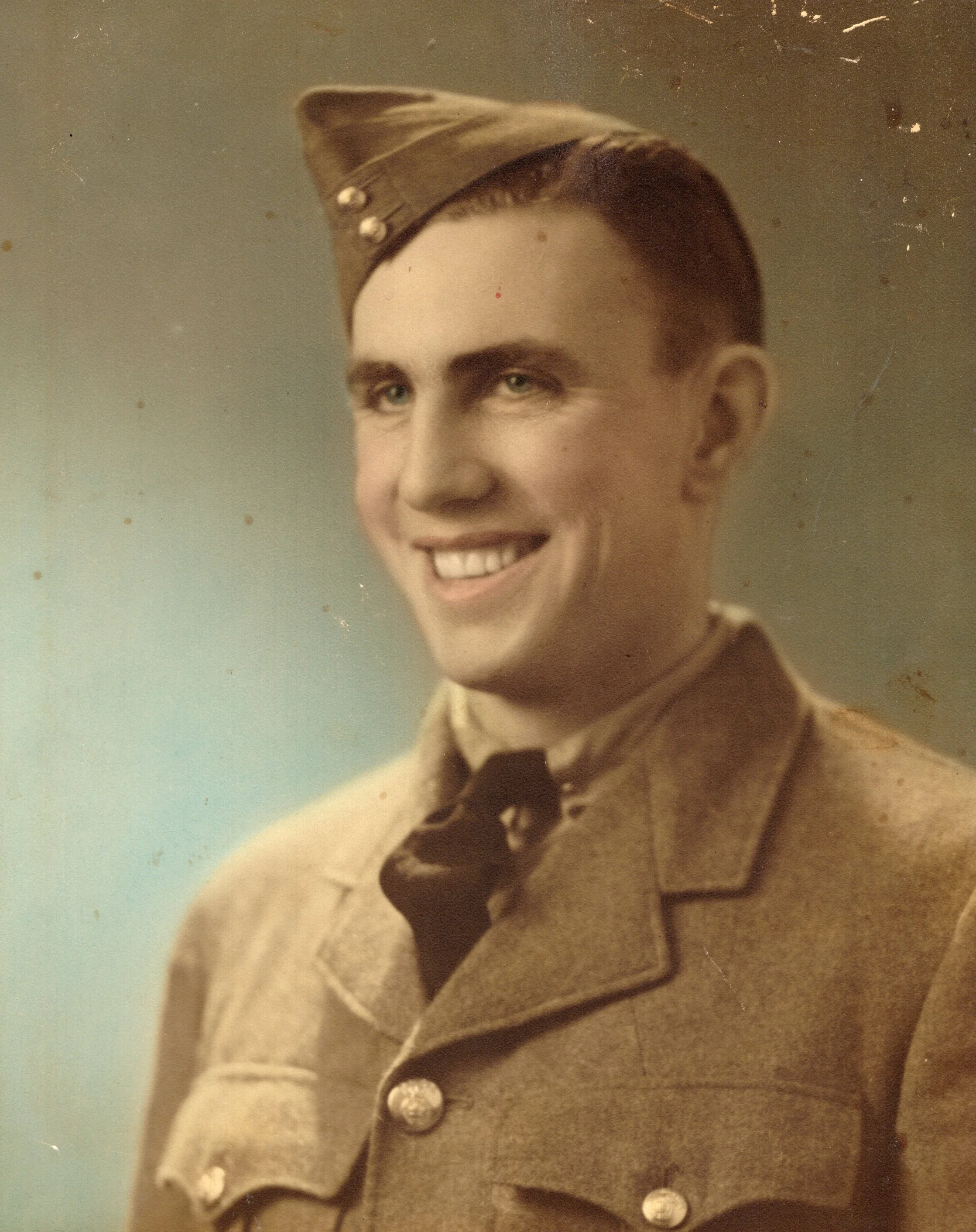
PO David William Stone 1923-2007
Dave Stone was raised in the town of Ingersoll and came to a cottage on Long Point his entire life. He served in the Royal Canadian Navy Volunteer Reserve during the Battle of the Atlantic during WWII as a Supply Assistant & Petty Officer. He was an underwater diver and became fascinated by Long Point and its shipwrecks. He has shared his knowledge of Long Point through many slide presentations, TV documentaries, books and published articles. His artifacts were donated to the Long Point Regional Conservation Authority and are in the museum at Backus. His daughter Julie Stone donated the sale of his shipwreck map to the PRSWHA, and this remains an ongoing source of funds for our activities.
Pte. David Walpole 1892-1918
David and Leonard Walpole were both born in England. Lenny in 1890 and David in 1892. They came to Port Rowan with their family in 1913. They were both working as fisherman on Long Point Bay when the war broke out. Like many with close ties to England, they enlisted to fight out of a sense of duty but also connection to family and friends back in England. David Walpole arrived in France in March 1917, and for the next year and a half he saw near continuous action in a Canadian Field Artillery Company – miraculously without being wounded. But on September 24, 1918 – with only 6 weeks left until the end of the War – he was gravely wounded by an explosion and died of his wounds. David and Leonard’s sister was Annie Walpole married Lorne Brown. Annie Brown was the Silver Cross Mother at Remembrance Day ceremonies held at the cenotaph for many years. She had lost her two brothers in the First World War and then a son and son-in-law in the Second World War.
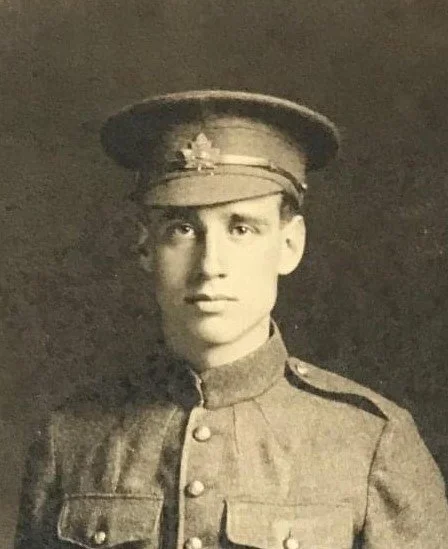
Pte. Leonard Walpole 1890-1917
Leonard and David Walpole were both born in England. Lenny in 1890 and David in 1892. They came to Port Rowan with their family in 1913. They were both working as fisherman on Long Point Bay when the war broke out. Like many with close ties to England, they enlisted to fight out of a sense of duty. Leonard or ‘Lenny’ as he was called was severely wounded in November 1917 and was listed as gravely ill when he was transferred to a military hospital in North London. His wound had gone septic, and he died six weeks later on December 12, 1917. David and Leonard’s sister was Annie Walpole married Lorne Brown. Annie Brown was the Silver Cross Mother at Remembrance Day ceremonies held at the cenotaph for many years. She had lost her two brothers in the First World War and then a son and son-in-law in the Second World War.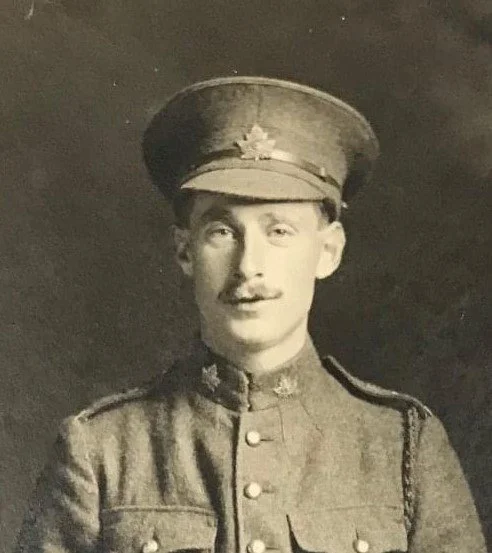
Pte. Wilfred Ira ‘Buzz’ Wells 1925-1996
Private 1st Class Wilfred Ira ‘Buzz’ Wells was born on March 10, 1925 in Forestville, Ontario to parents Roy and Eva Foster. Buzz was part of the Canadian Army Black Watch, Royal Highland Regiment. In 1942, he was captured by the Germans at the Dieppe Raid in Northern France along with 40 of his fellow Black Watch. The Dieppe Raid was the largest loss of life for Canadians in one day during WWII. Buzz was reported as ‘Missing in Action’ for several months and was presumed dead. He was taken to Stalag 11B (pictured above) located just to the east of the town of Fallingbostel in Lower Saxony, Germany and made to work in the quarries. He was a Prisoner of War until April 13, 1945. When Buzz arrived home on the train after the War, schools were closed, crowds gathered and church bells rang to welcome him home. He married Helen Cunningham in Simcoe, Ontario and worked in construction until his retirement. Buzz and Helen had one daughter Barbara who married Stan Rutter. While working for Gilvesy Construction, he assisted in the building of Valley Heights Secondary School and the Esso Refinery. He was the President of the Port Rowan Legion from 1981 to 1982. He died on July 2, 1996 and is buried in Hillcrest Cemetery, Forestville, Ontario. 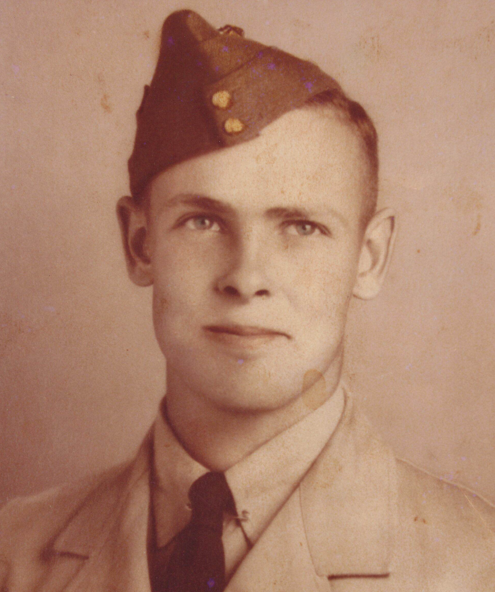
Col. Titus Willliams 1790-1879
Titus Williams was born on Long Island on November 22, 1790, the son of Maria Titus and Captain Jonathan Williams, who had fought with the Guides and Pioneers, a Loyalist Regiment, in the American Revolution. He received a commission in the 2nd Regiment Norfolk Militia on June 27, 1812, the day of the War of 1812’s outbreak. As a Lieutenant, he commanded a detachment of Norfolk County men at the Battle of Detroit under Sir Isaac Brock. During this famous battle, Tecumseh and his warriors along with British Regulars and local militia, forced the surrender of a much larger force of Americans and took Detroit and a large territory. Titus Williams’ medal for participating in the Battle of Detroit is on display in the Norfolk County Archives. He was made Captain of the 2nd Regiment Norfolk Militia, but then in the spring of 1813, when endeavoring to secure some buried ammunition at Sugarloaf Hill, near Port Colborne, he and nine privates fell into the hands of the enemy. As a Prisoner of War, he was shuttled from one prison to another and suffered from poor treatment. He recounted how at one point he seized an axe and chopped down a Liberty pole in protest. Liberty poles were an important symbol in early America, and he was almost executed immediately. Luckily a prisoner exchange was arranged, and he returned home on July 5, 1814. Even though he had spent more than a year away, he was immediately given the task of leading the 4th Regiment of the Norfolk Militia in the Battle of Lundy’s Lane. This battle was fought on the hot summer evening of July 25, 1814, about 2 miles from Niagara Falls. The bloodiest battle of the War of 1812 (more than 900 were killed, wounded or missing on both sides), it also successfully stopped the American advance into Upper Canada when the invaders withdrew to Fort Erie. This was the final invasion of Upper Canada in the War of 1812. After the War, Titus Williams was appointed Colonel of the Norfolk Militia, and he was also elected as the first Reeve of the Township of Walsingham. He married twice and had 16 children. He lived in Port Rowan at the corner of Veteran of the War of 1812. He died on May 6, 1879 and is buried in Newkirk Cemetery, St. Williams. 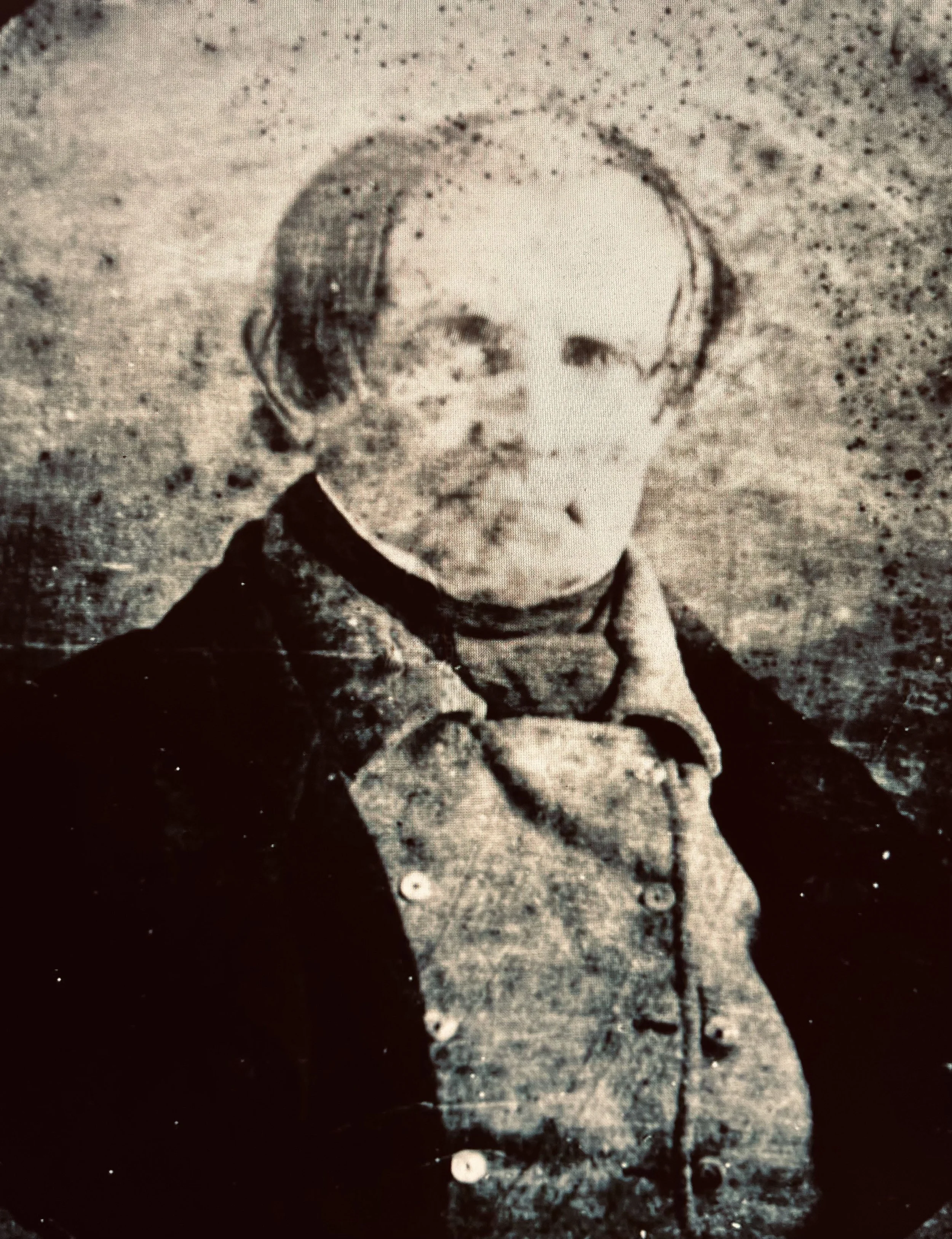
LAC George Winfield 1923-1942
George Norman Winfield grew up in Port Rowan and joined the RCAF training to be an aircraft mechanic. On September 3, 1942, he married Lenore Brown and then tragically, barely only two months later, on November 9, 1942, he was killed in Jarvis in a flying accident. George is buried in Bayview Cemetery beside his in-laws Lorne and Annie Brown. George Winfield’s father Wilfred (or Wilfie) Winfield was a WWI veteran who delivered groceries for Leight Cronk’s Grocery Store located where the present Dizzie Lizzies business is located.